Joint Chiefs of Staff
★★★★★★★★★★★★★★★★★★★★★★★★★★★★
joint chiefs of staff
★★★★★★★★★★★★★★★★★★★★★★★★★★★★

The Joint Chiefs of Staff is comprised of the most senior uniformed leaders within the Department of Defense. It advises the President of the United States, the Secretary of Defense, the Homeland Security Council, and the National Security Council on military matters. The structure of the Joint Staff is defined by statute and consists of a Chairman, a Vice Chairman, and the Chiefs of the Army, Marine Corps, Navy, Air Force, Space Force, and the National Guard Bureau. Aside from their Joint Staff obligations, each of the individual service chiefs works directly under the heads of their respective military departments, e.g., the Secretary of the Army, the Secretary of the Navy, and the Secretary of the Air Force.
The Joint Staff has no executive authority to command combatant forces. The issue of executive authority was distinctly resolved by the Goldwater-Nichols DoD Reorganization Act of 1986: "The Secretaries of the Military Departments shall assign all forces under their jurisdiction to unified and specified combatant commands to perform missions assigned to those commands..."; the chain of command "runs from the President to the Secretary of Defense; and from the Secretary of Defense to the commander of the combatant command."
The U.S. Coast Guard is a branch of the U.S. Armed Forces pursuant to 14 U.S.C. § 101 and operates under the Department of Homeland Security rather than the Department of Defense. An exception can be made if the President transfers it to the Department of the Navy, e.g., in times of war or national emergency. The Commandant of the Coast Guard is not a de jure member of the Joint Staff but is sometimes regarded as a de facto member, and, as such, entitled to the same supplemental pay as the Joint Chiefs. The Commandant, by invitation, will also occasionally attend meetings of the Joint Staff. Unlike the Joint Chiefs, who are not actually in the military's operational chain of command, the Commandant is both the administrative and the operational commander of the Coast Guard.
★★★★★★★★★★★★★★★★★★★★★★★★★★★★
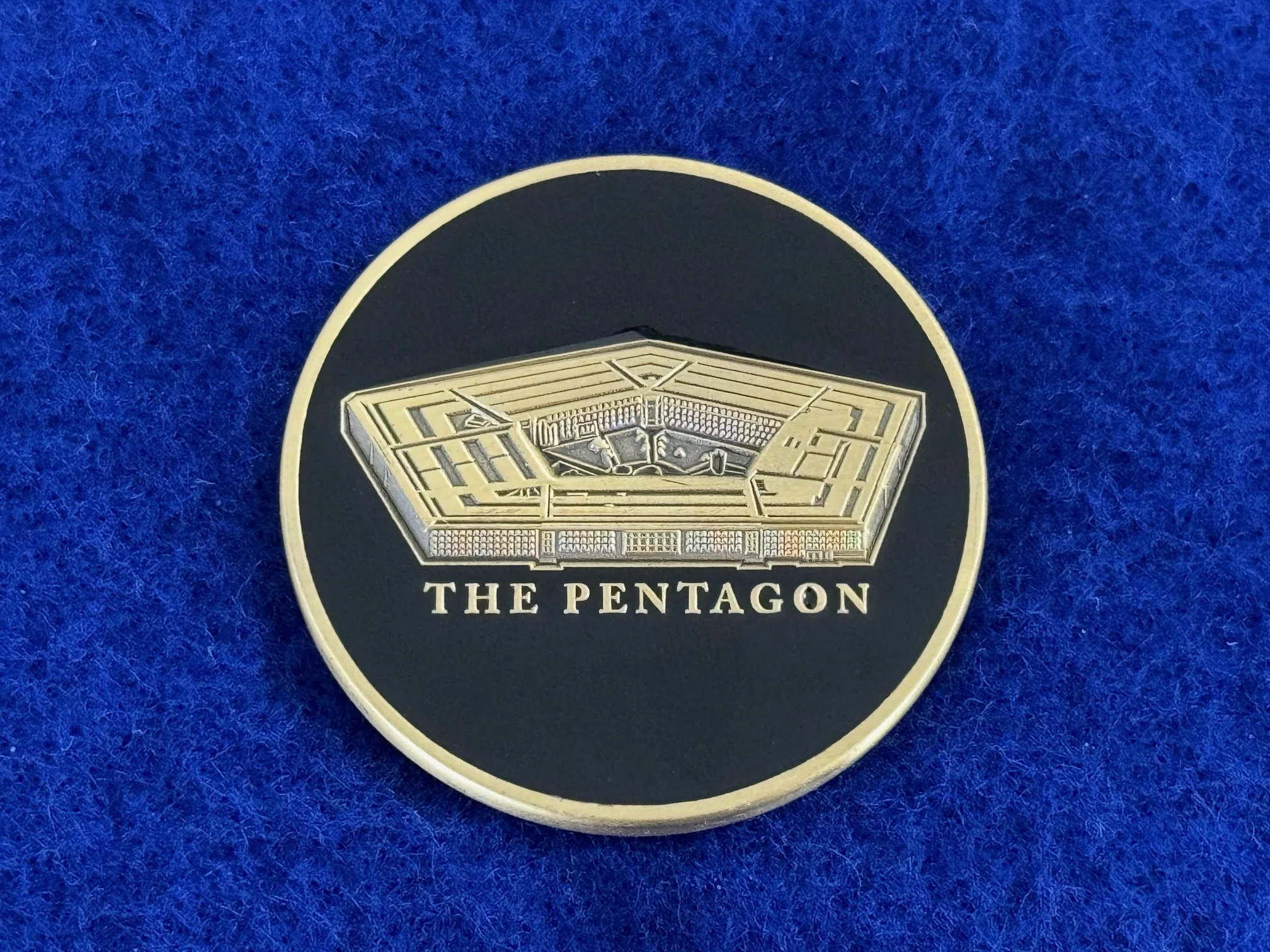
The Pentagon
Washington, DC
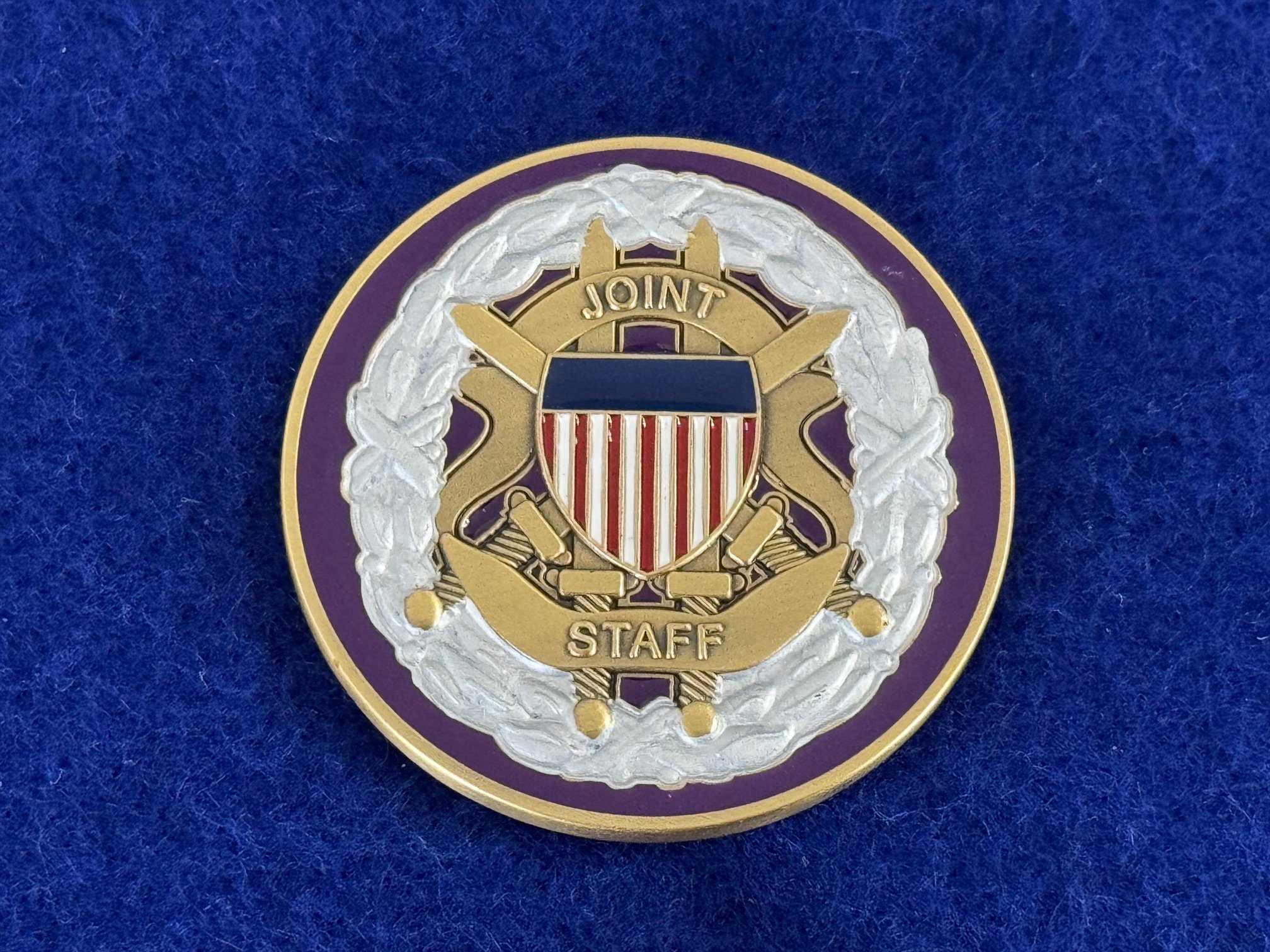
The Joint Staff
(5 Swords)
The Pentagon
Washington, DC
The Joint Staff
(5 Swords)
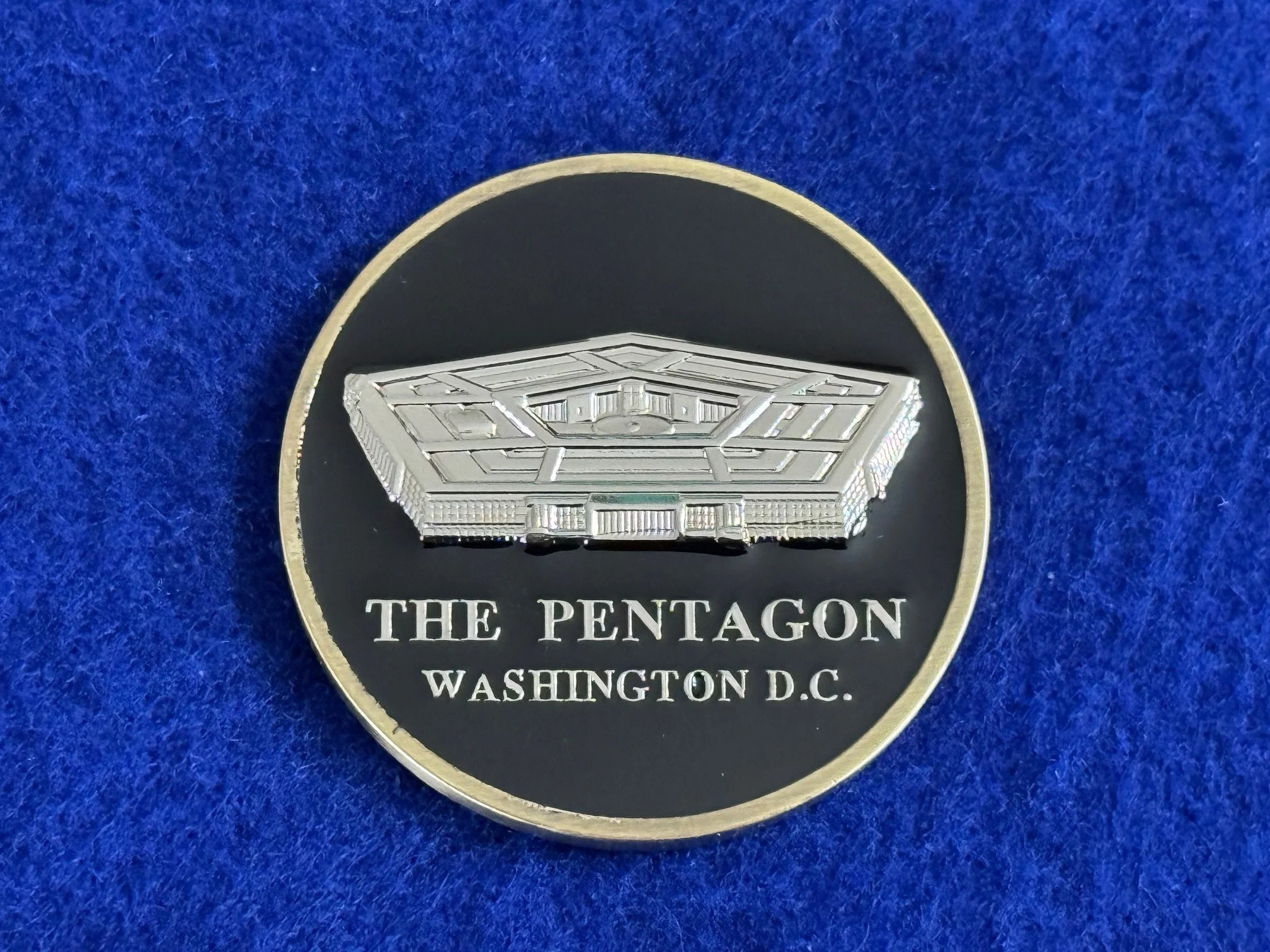
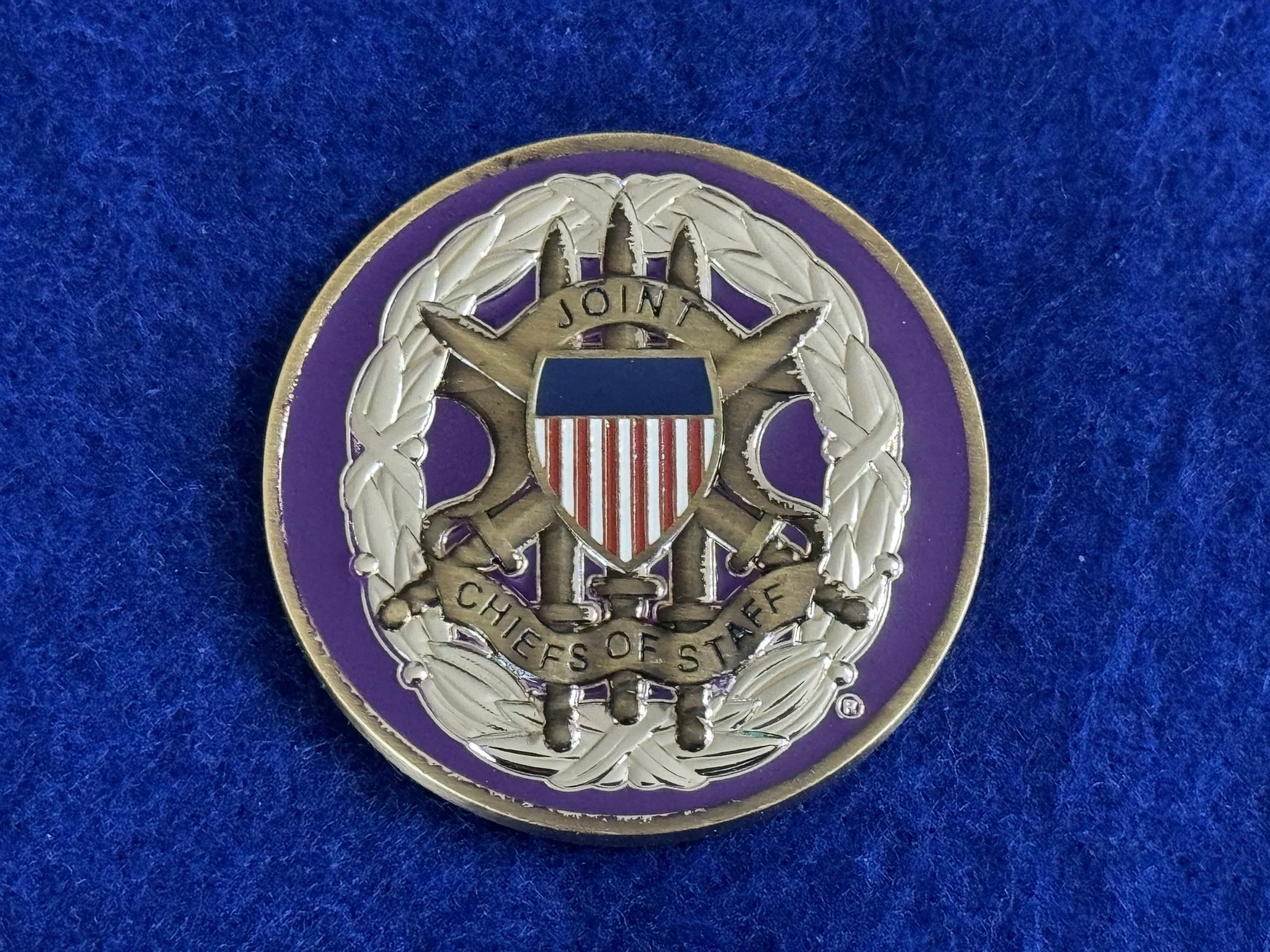
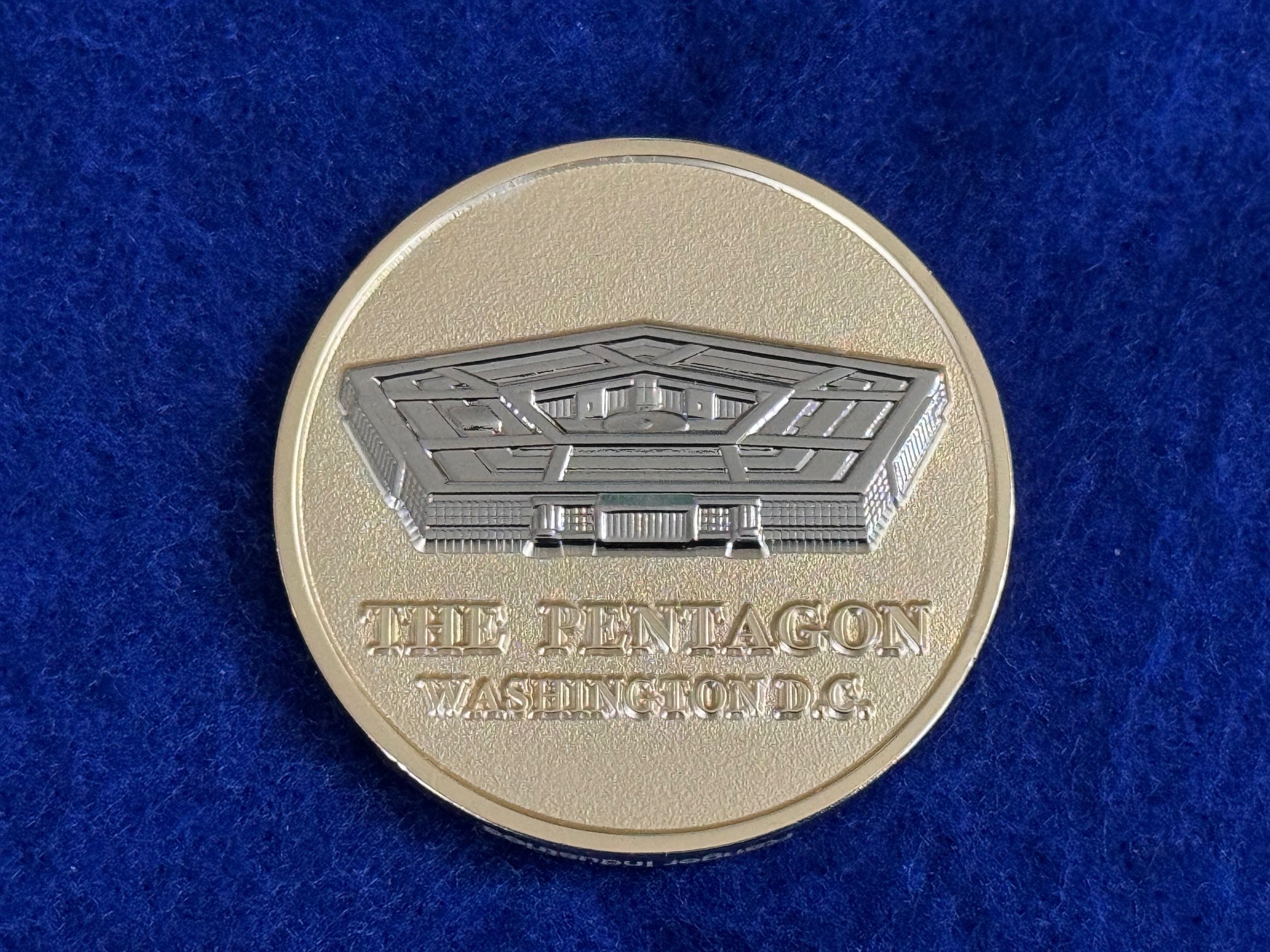
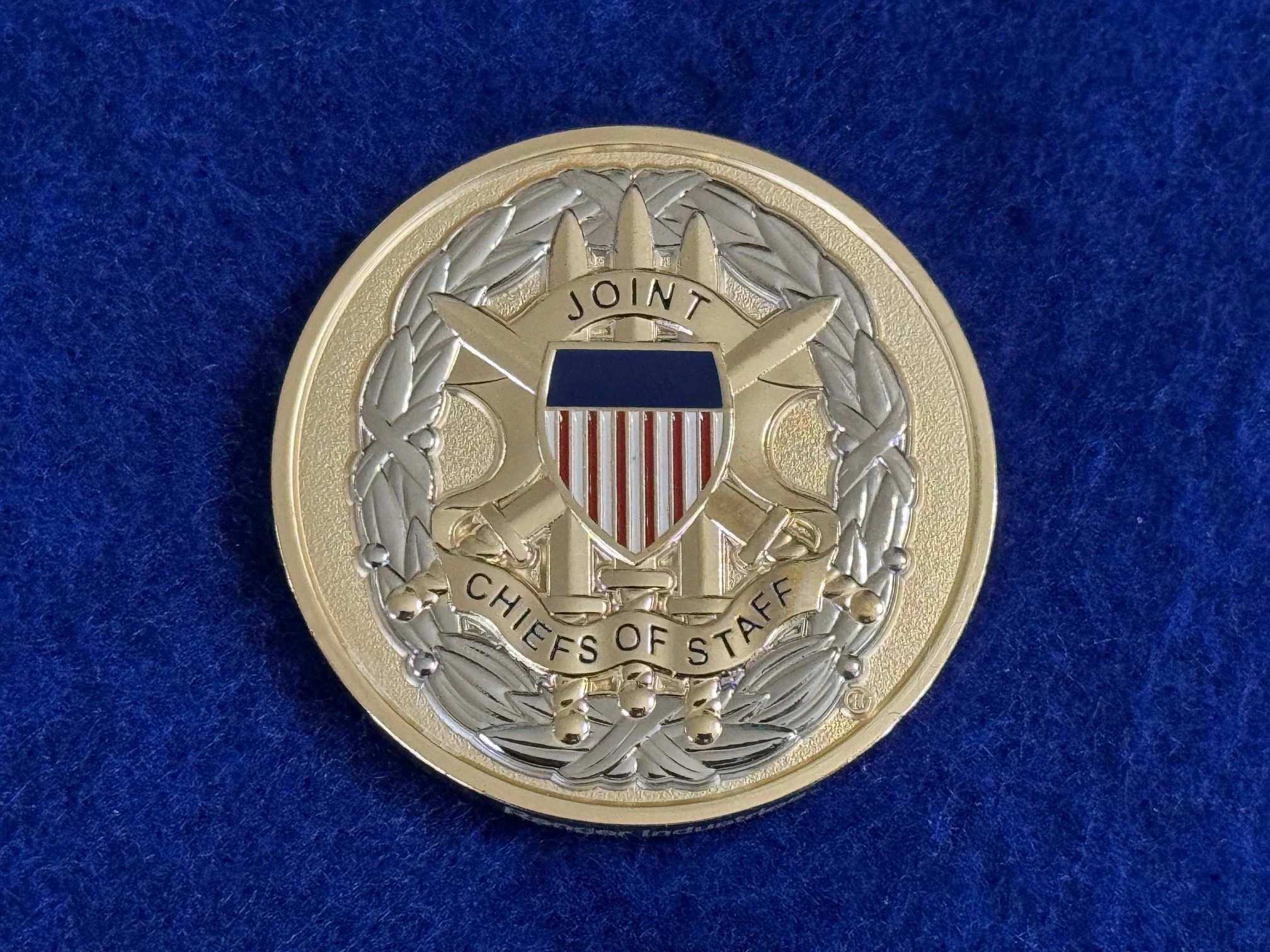
The Pentagon
Washington, DC
The Joint Staff
(5 Swords)
The Pentagon
Washington, DC
The Joint Staff
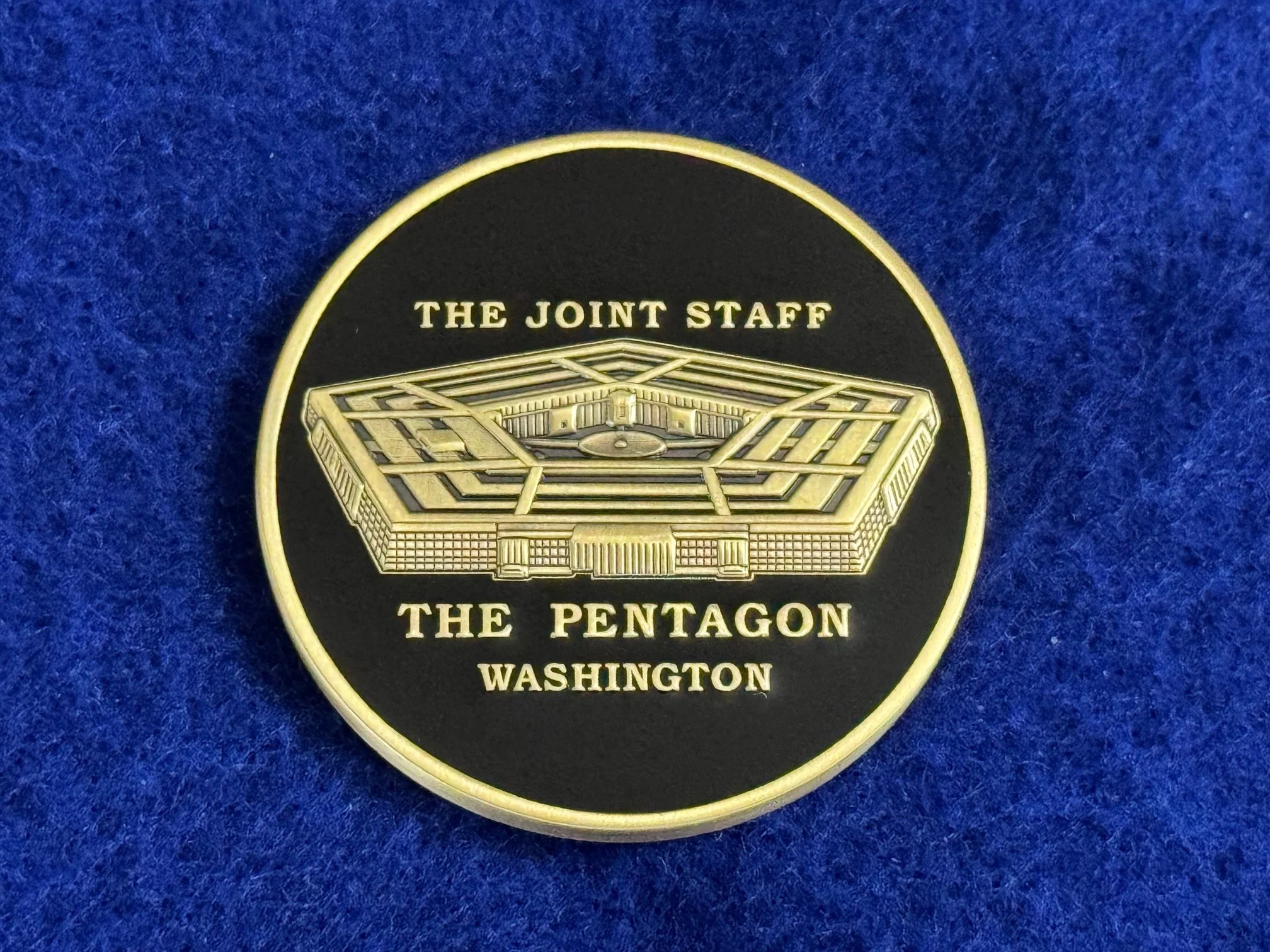
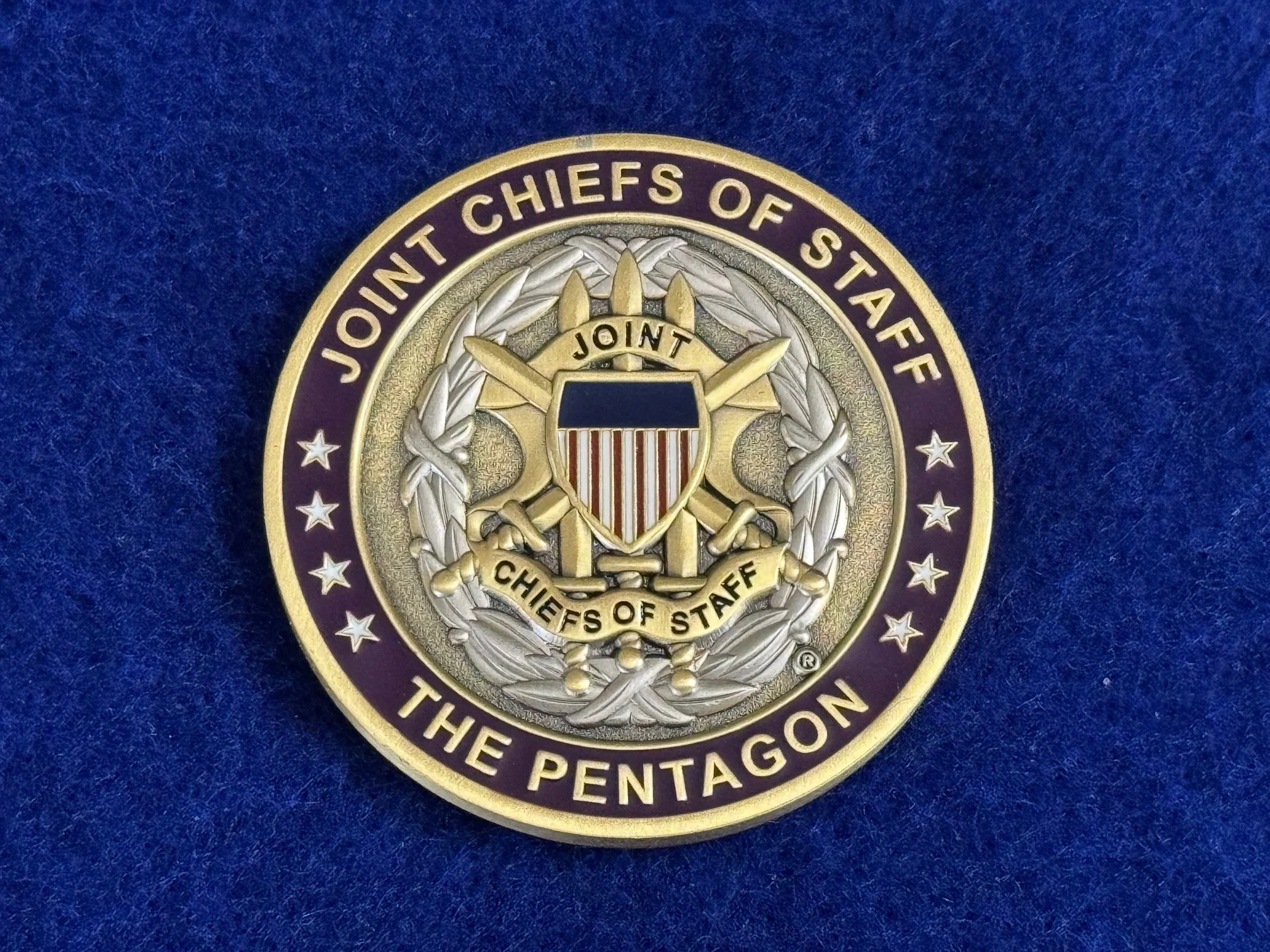
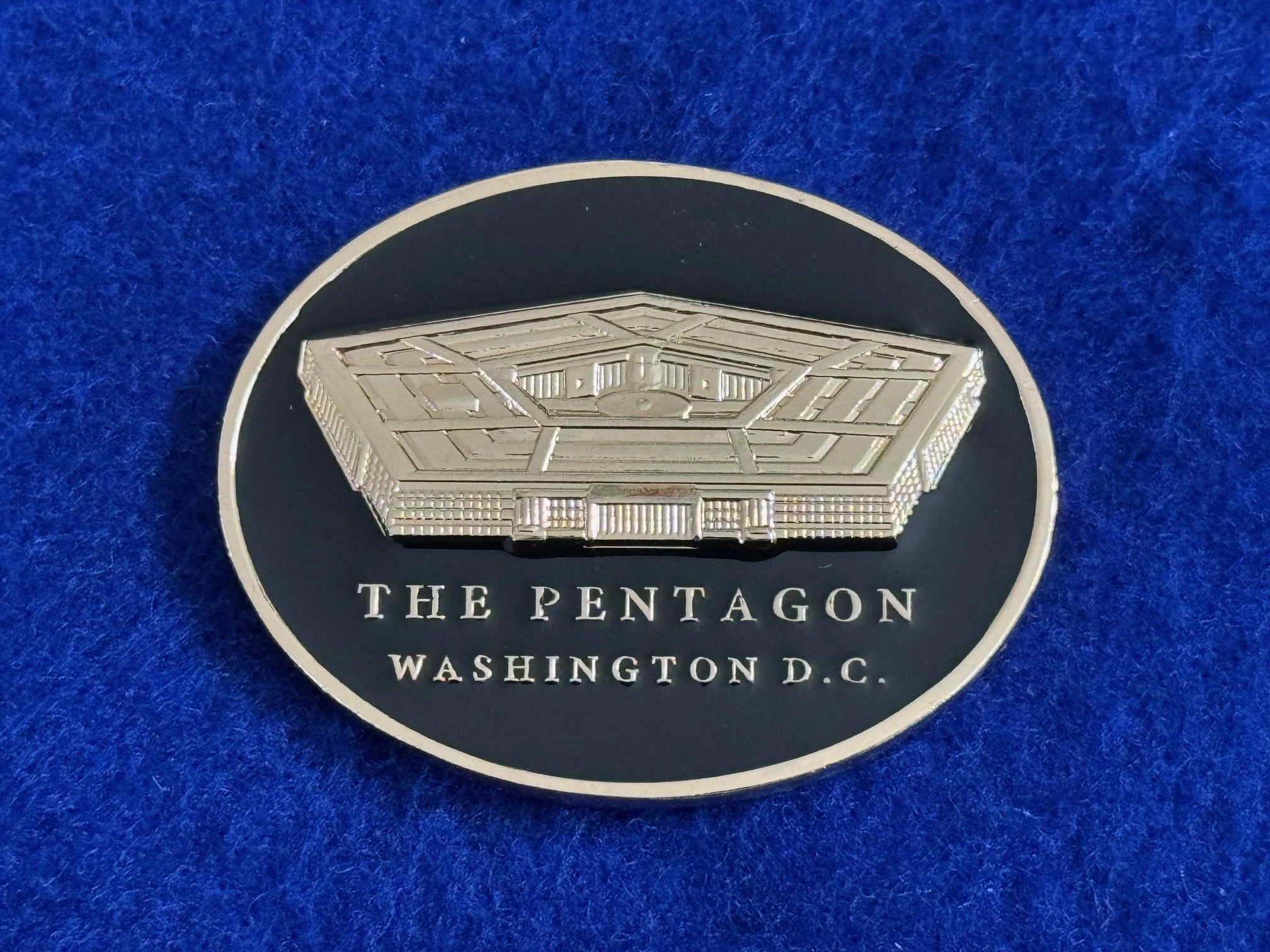
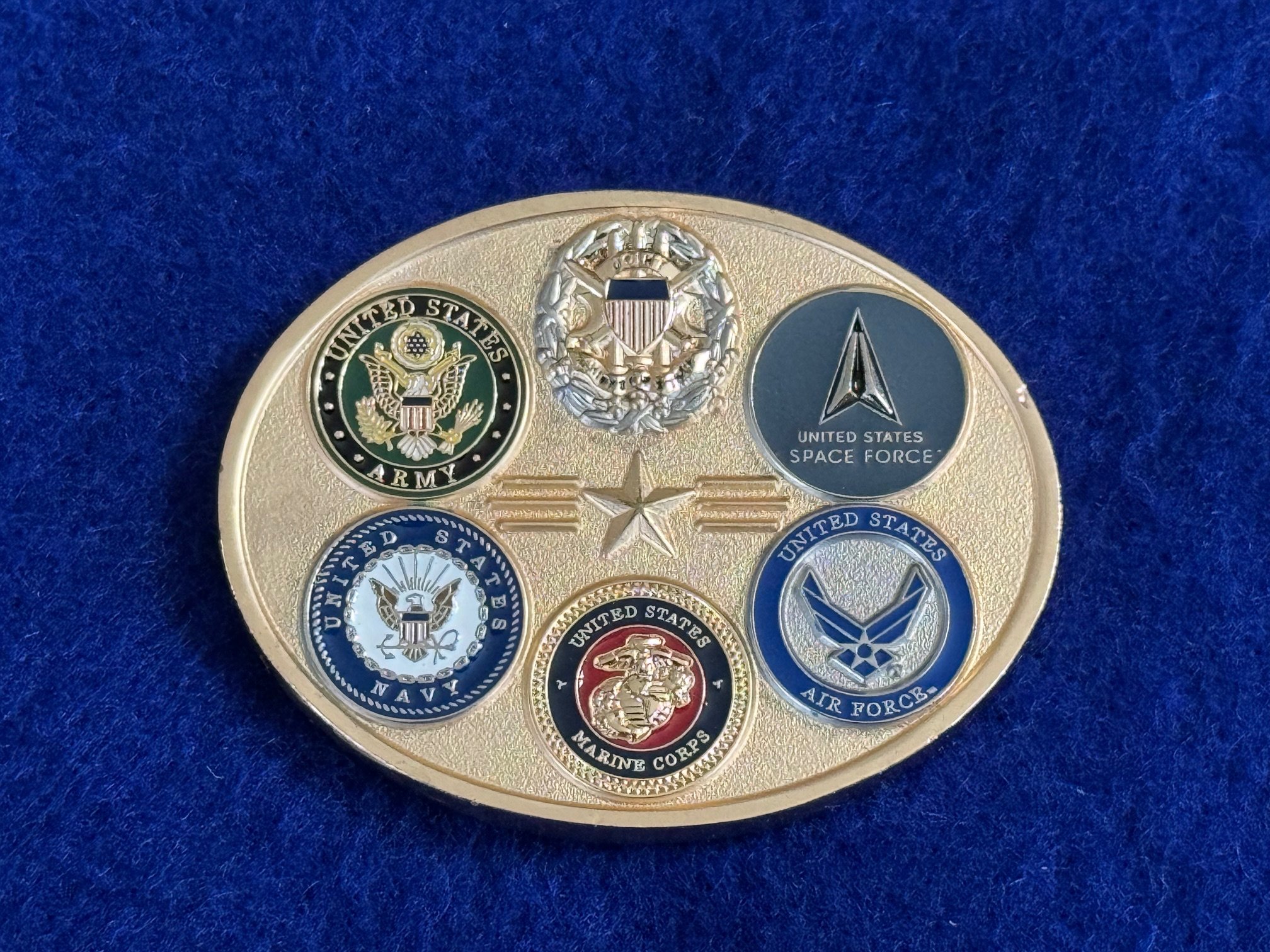
The Pentagon
Washington, DC
The Joint Staff
(4 Swords)
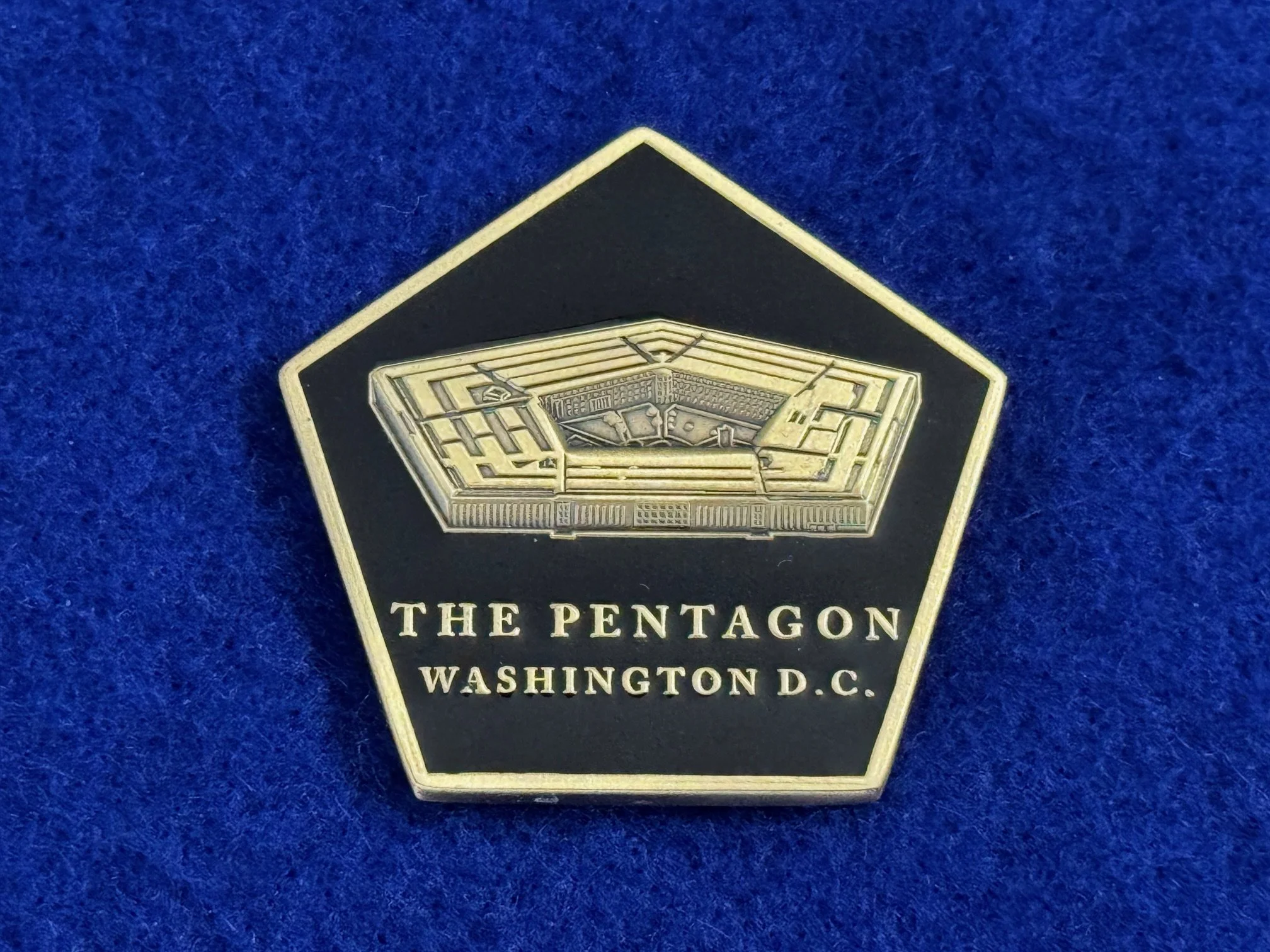
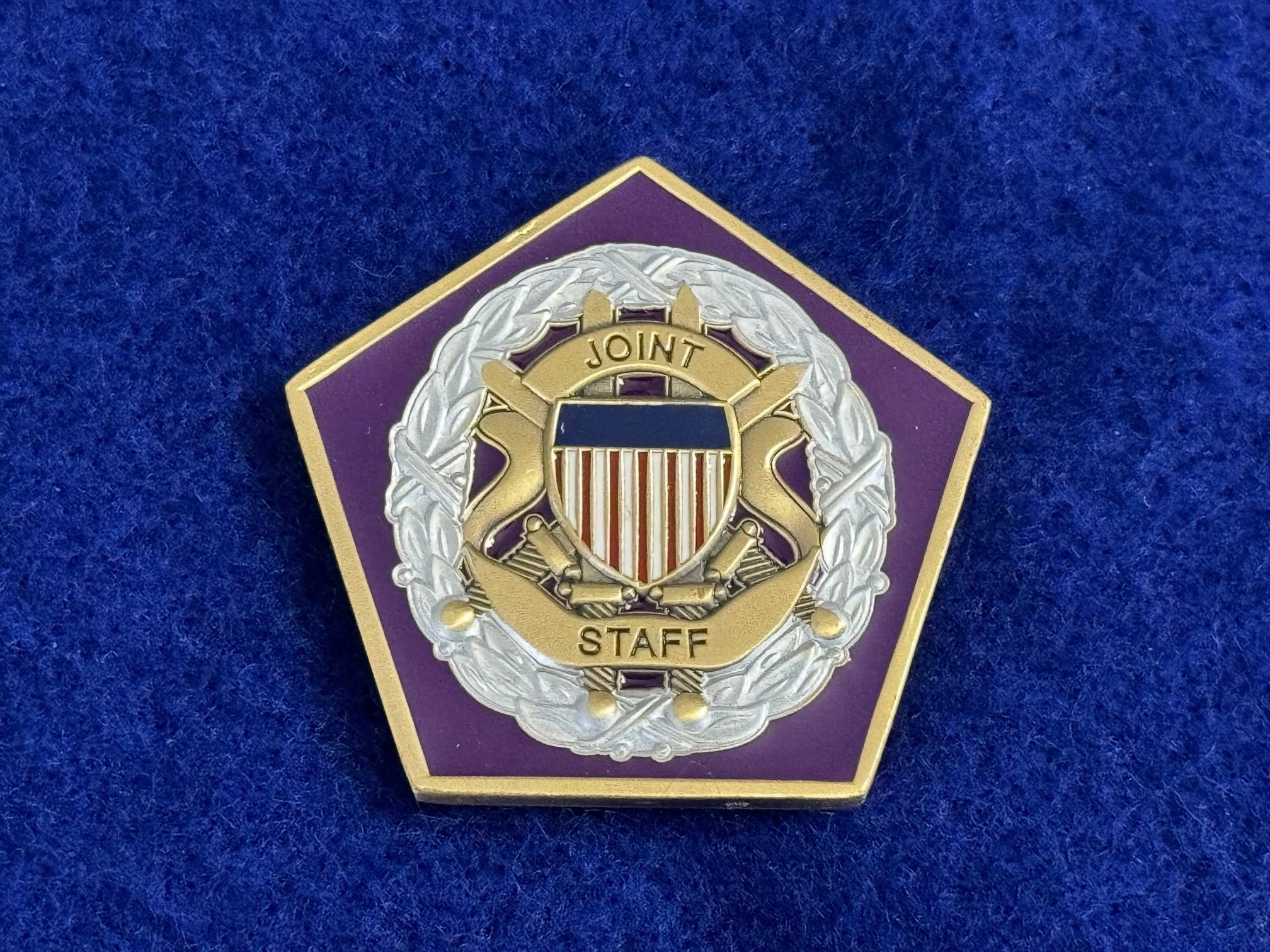
The Pentagon
Washington, DC
The Joint Staff
(4 Swords)
★★★★★★★★★★★★★★★★★★★★★★★★★★★★
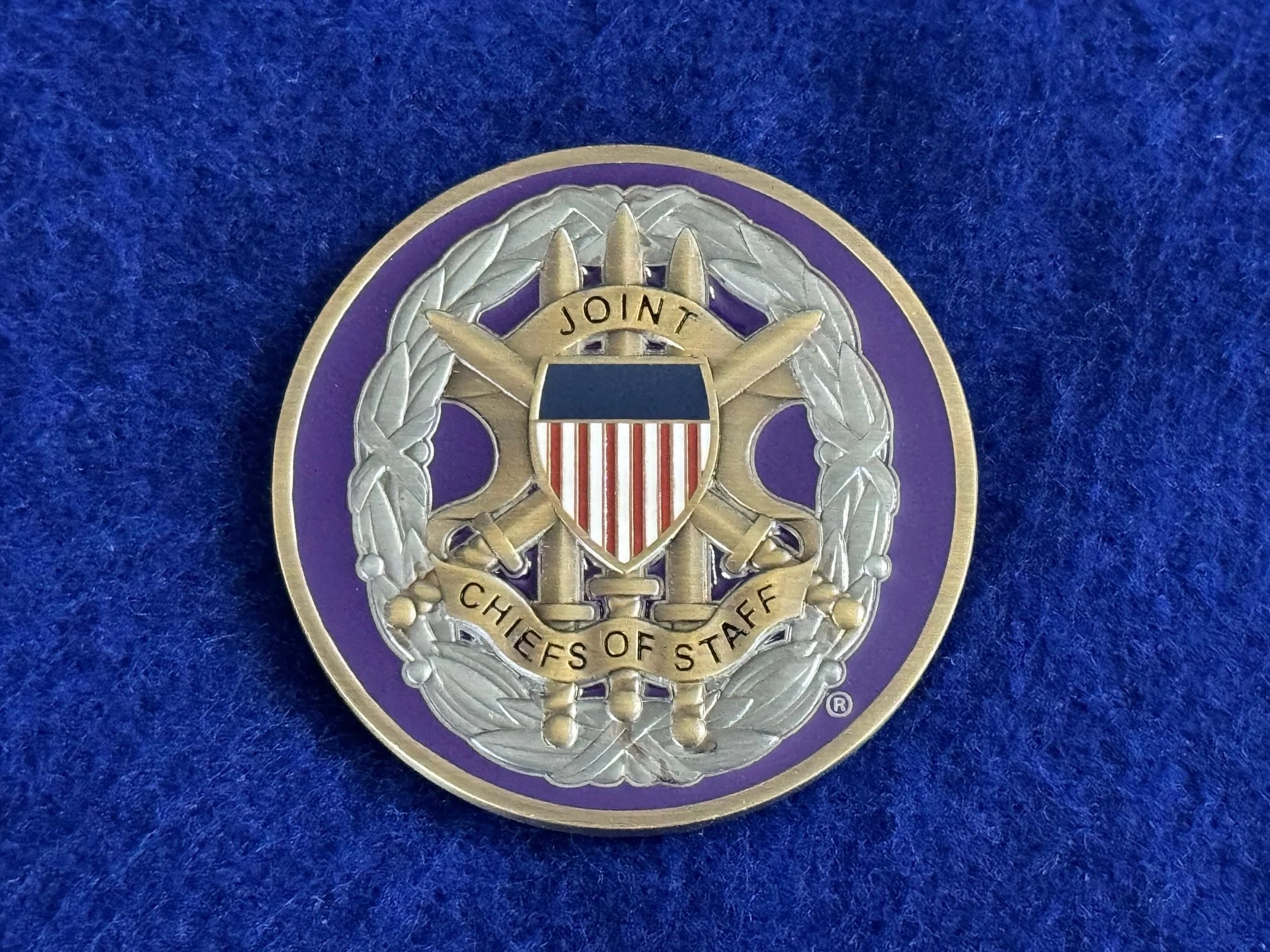
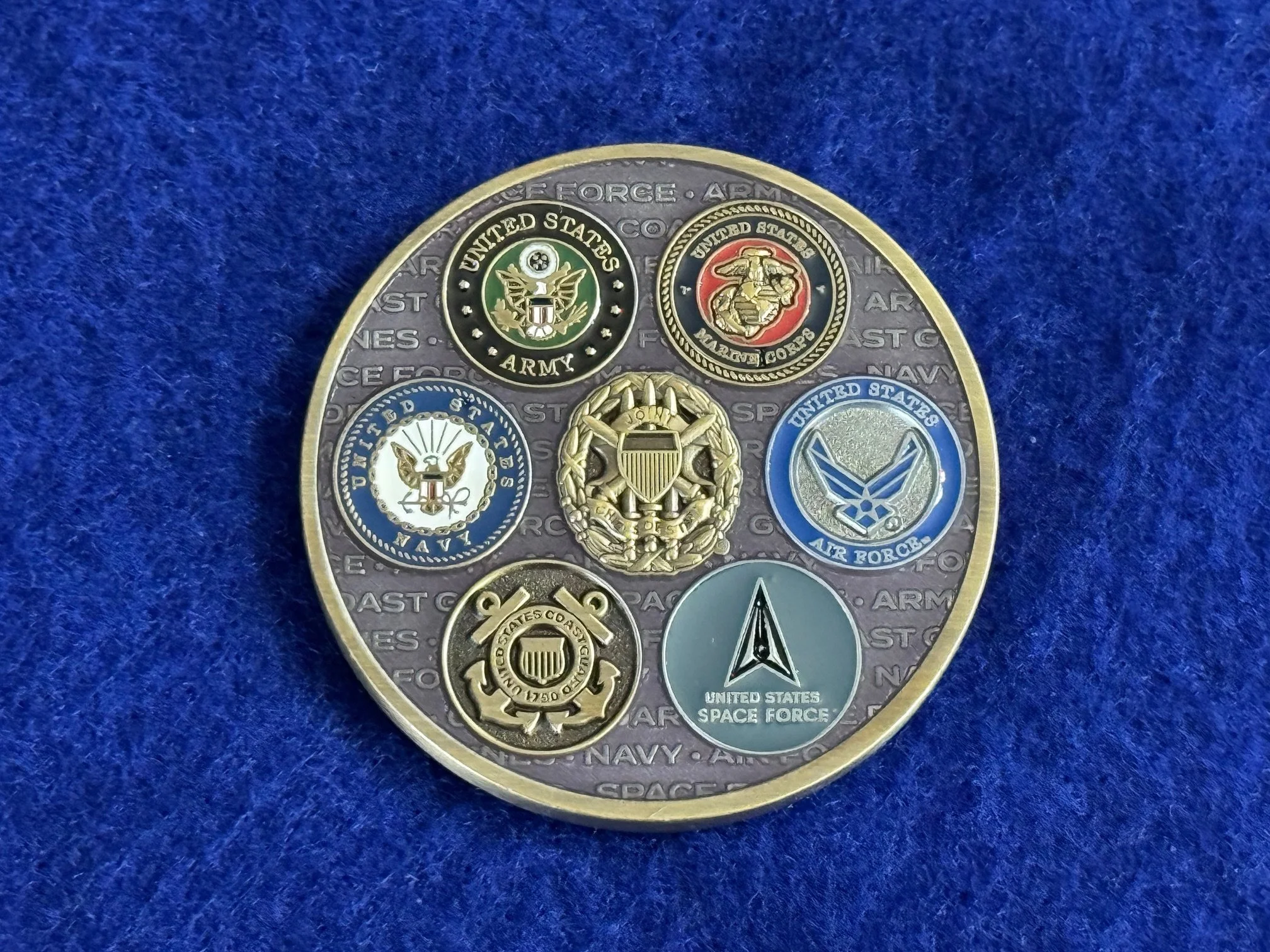
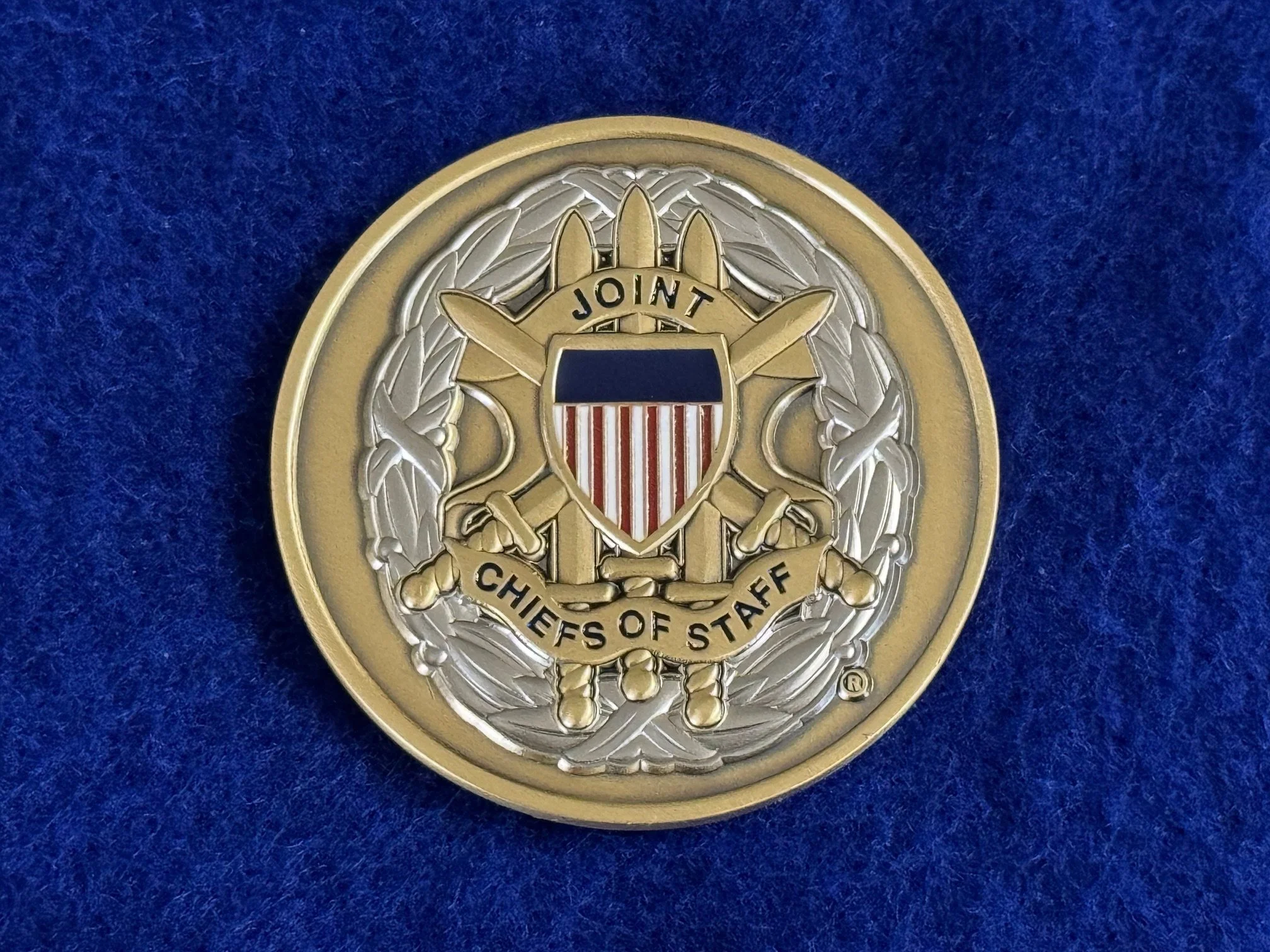
Joint Chiefs of Staff
Washington, DC
(5 Swords and U.S. Coast Guard)
Joint Chiefs of Staff
Washington, DC
(4 Swords and U.S. Coast Guard)
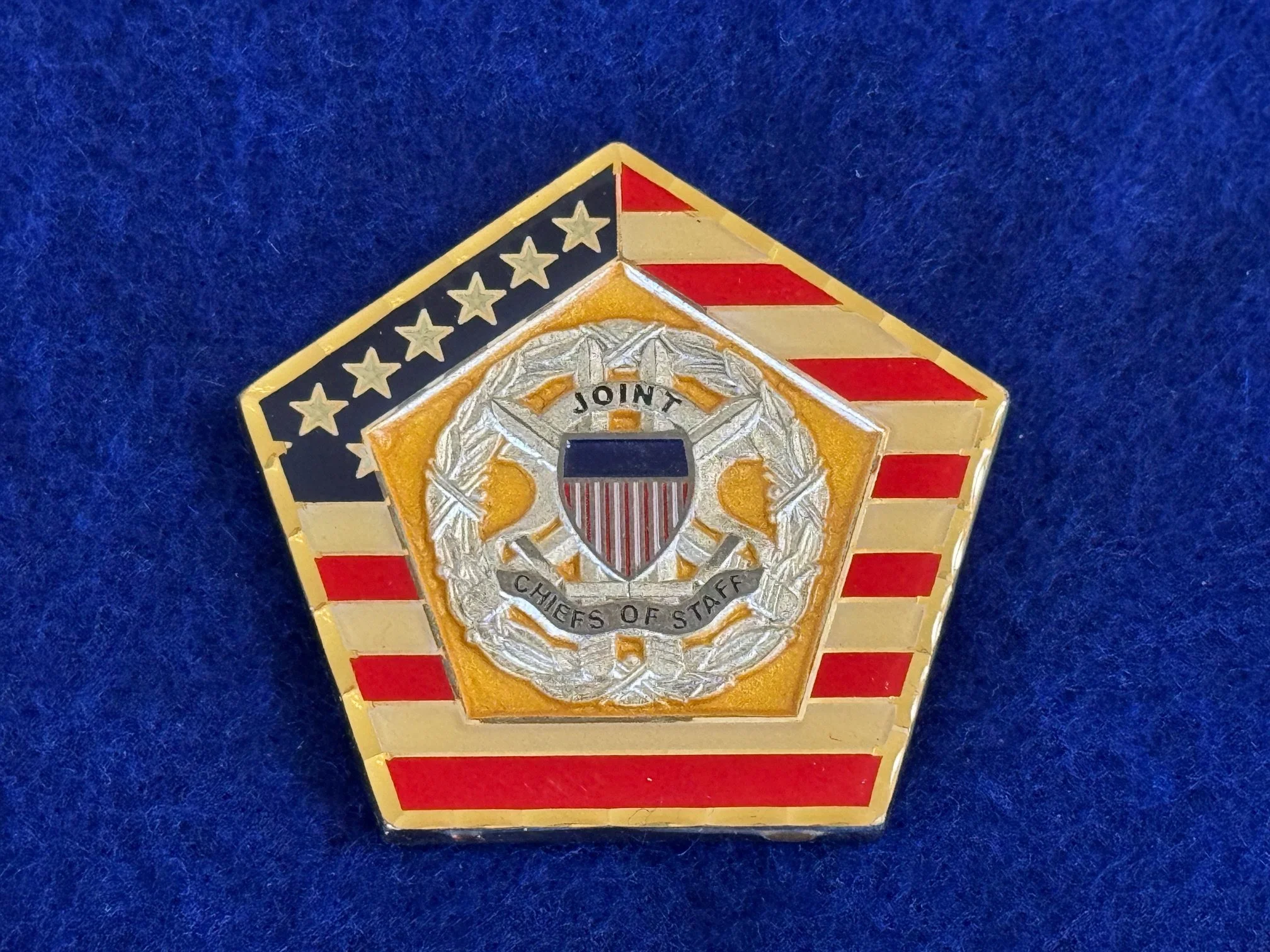
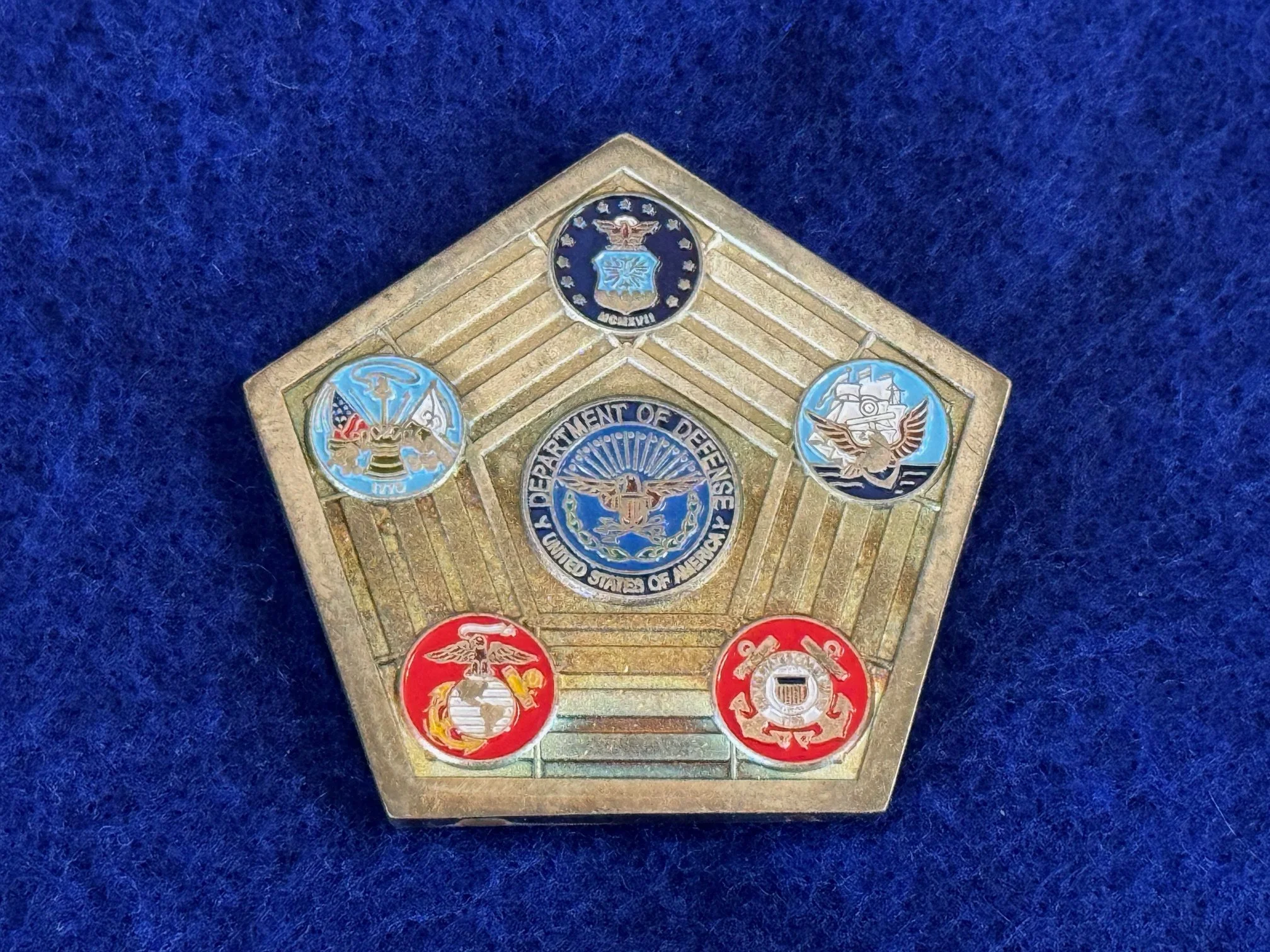
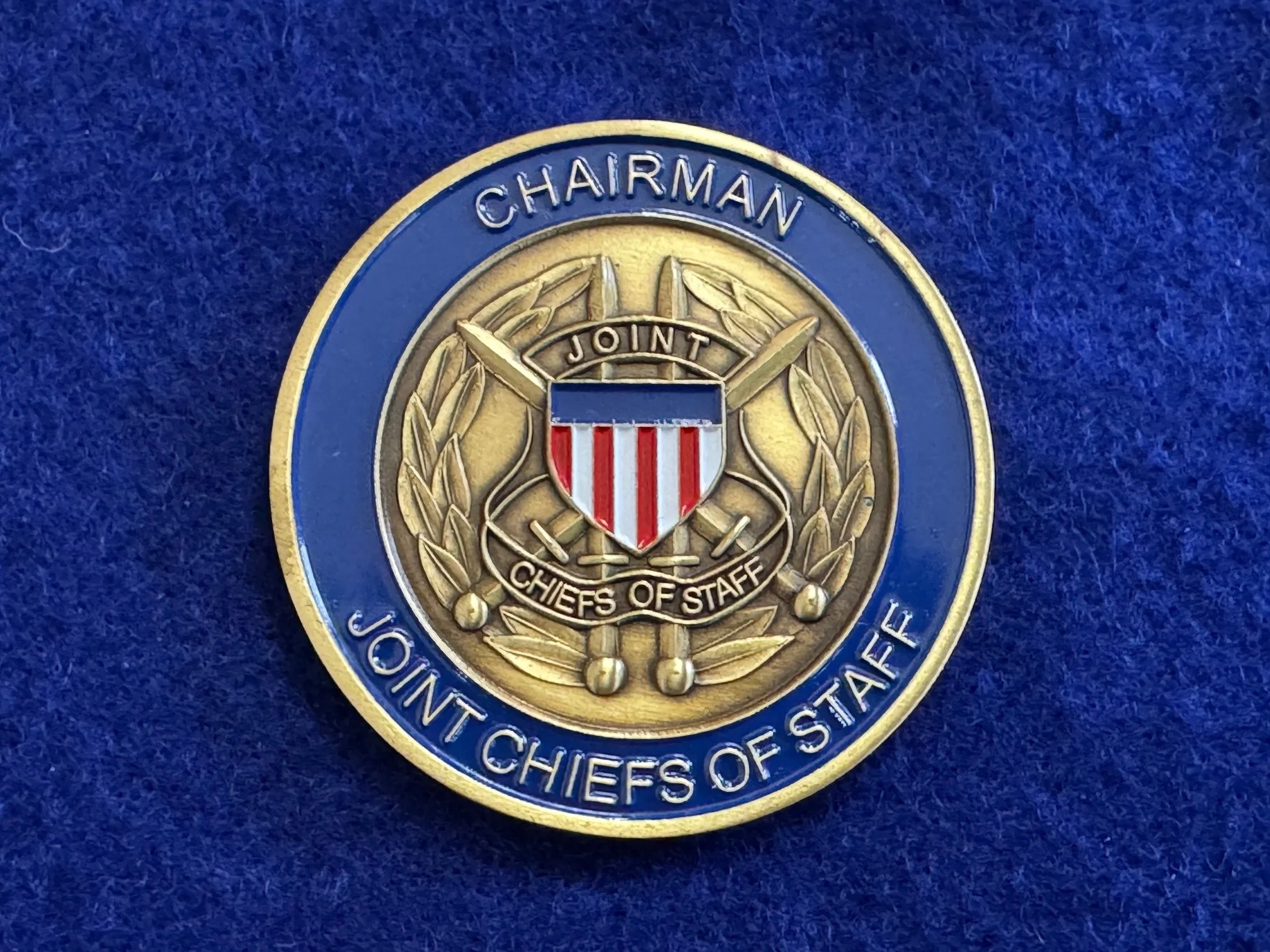
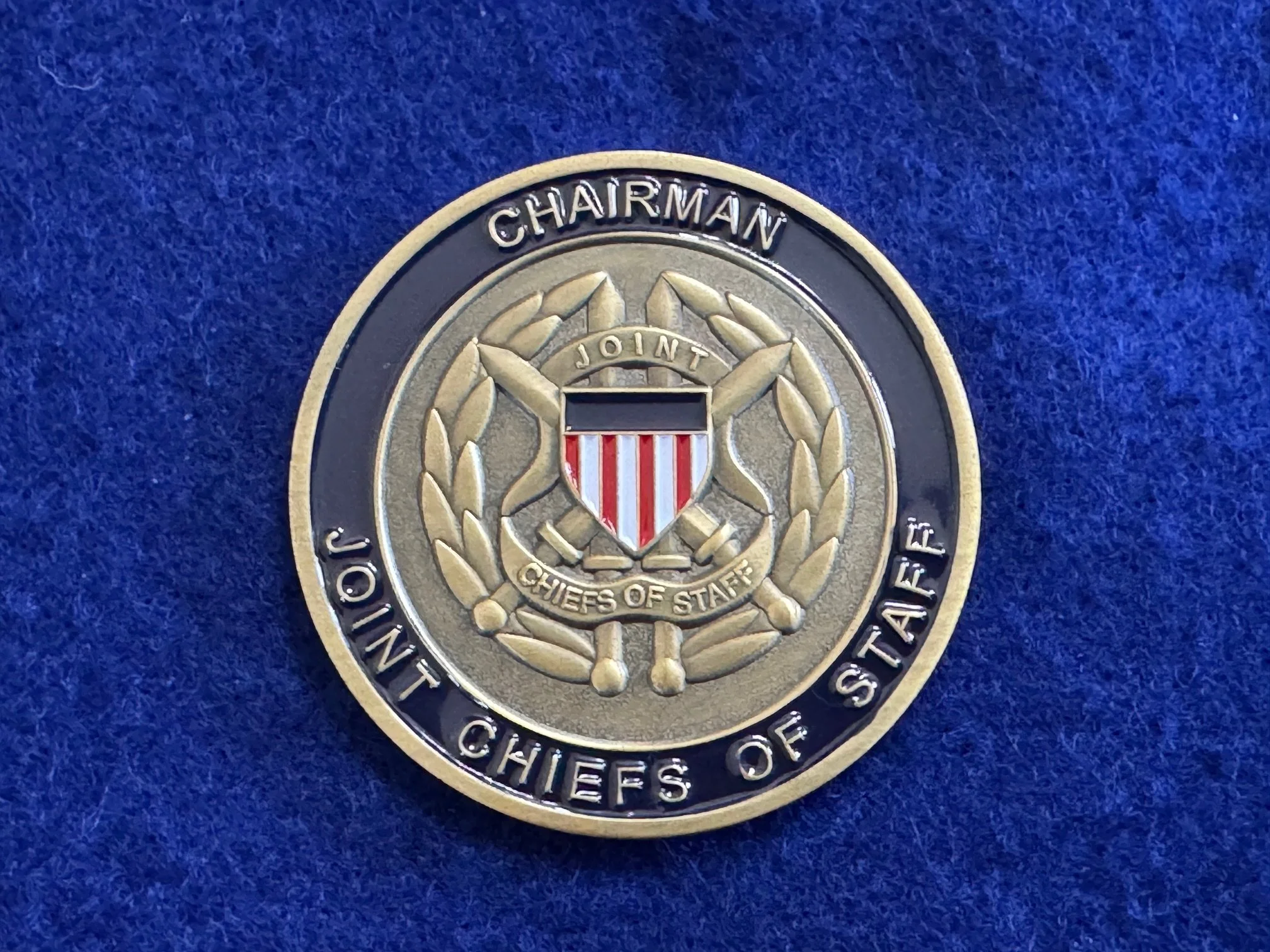
Chairman of the Joint Chiefs of Staff
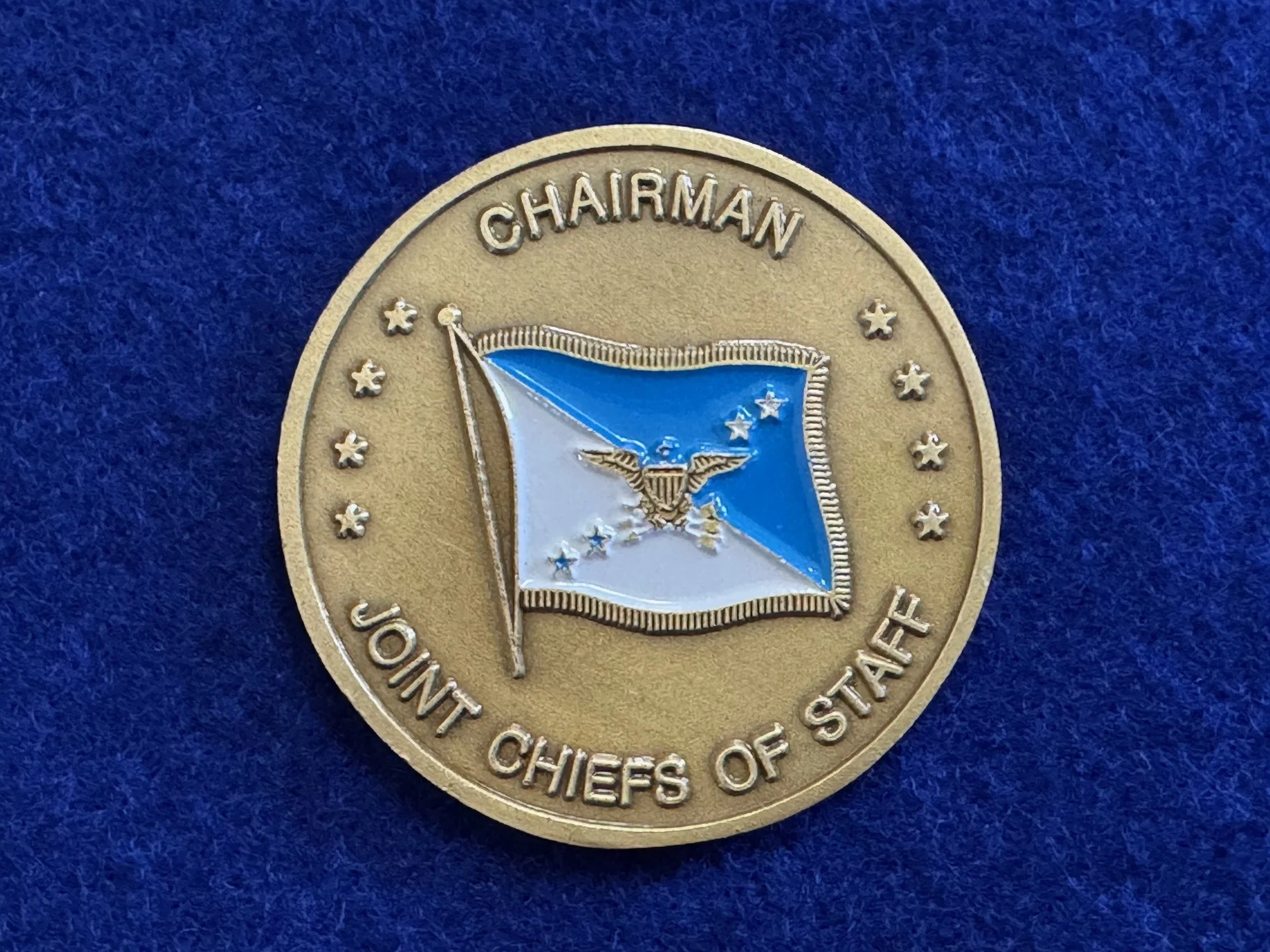
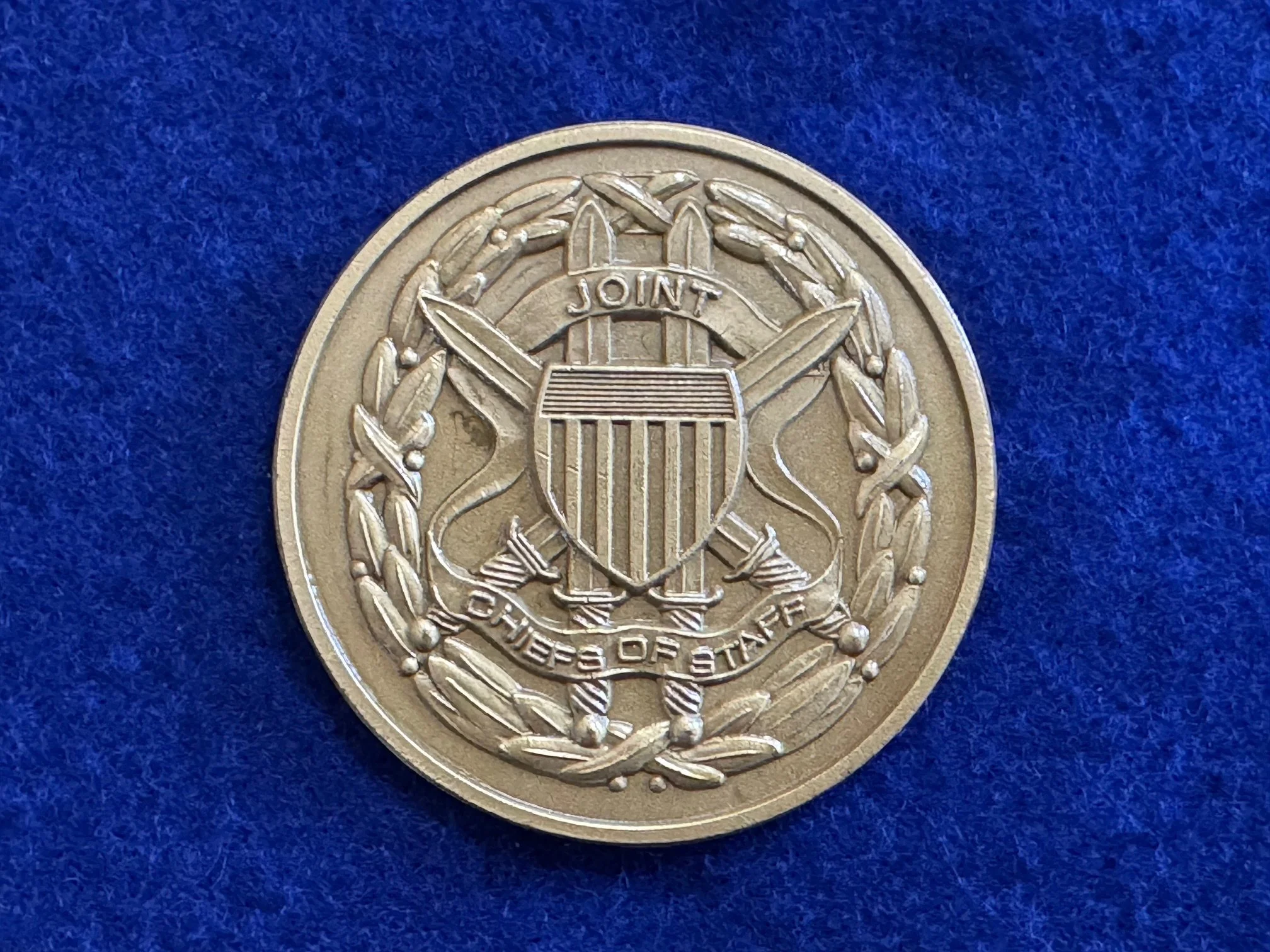
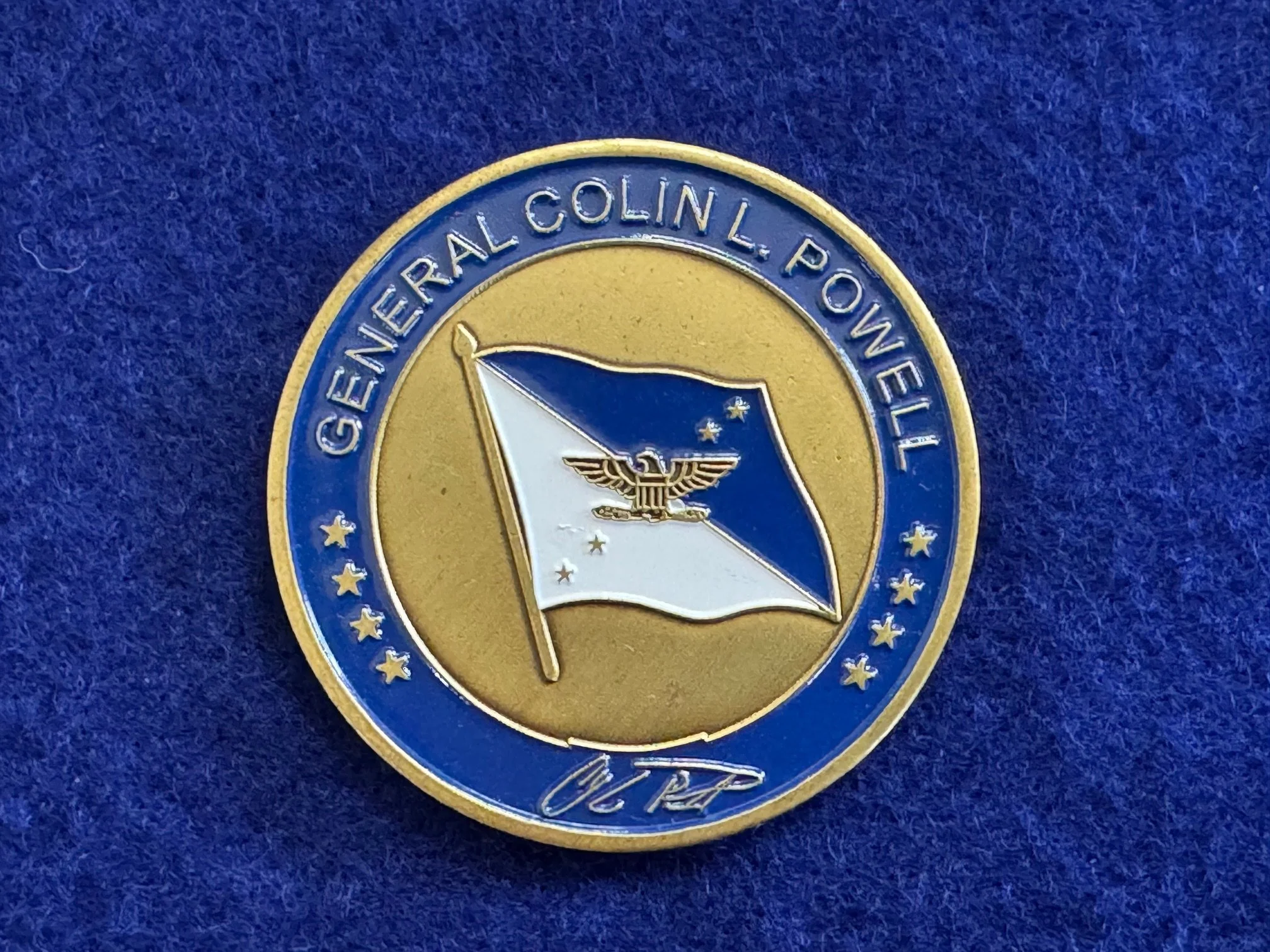
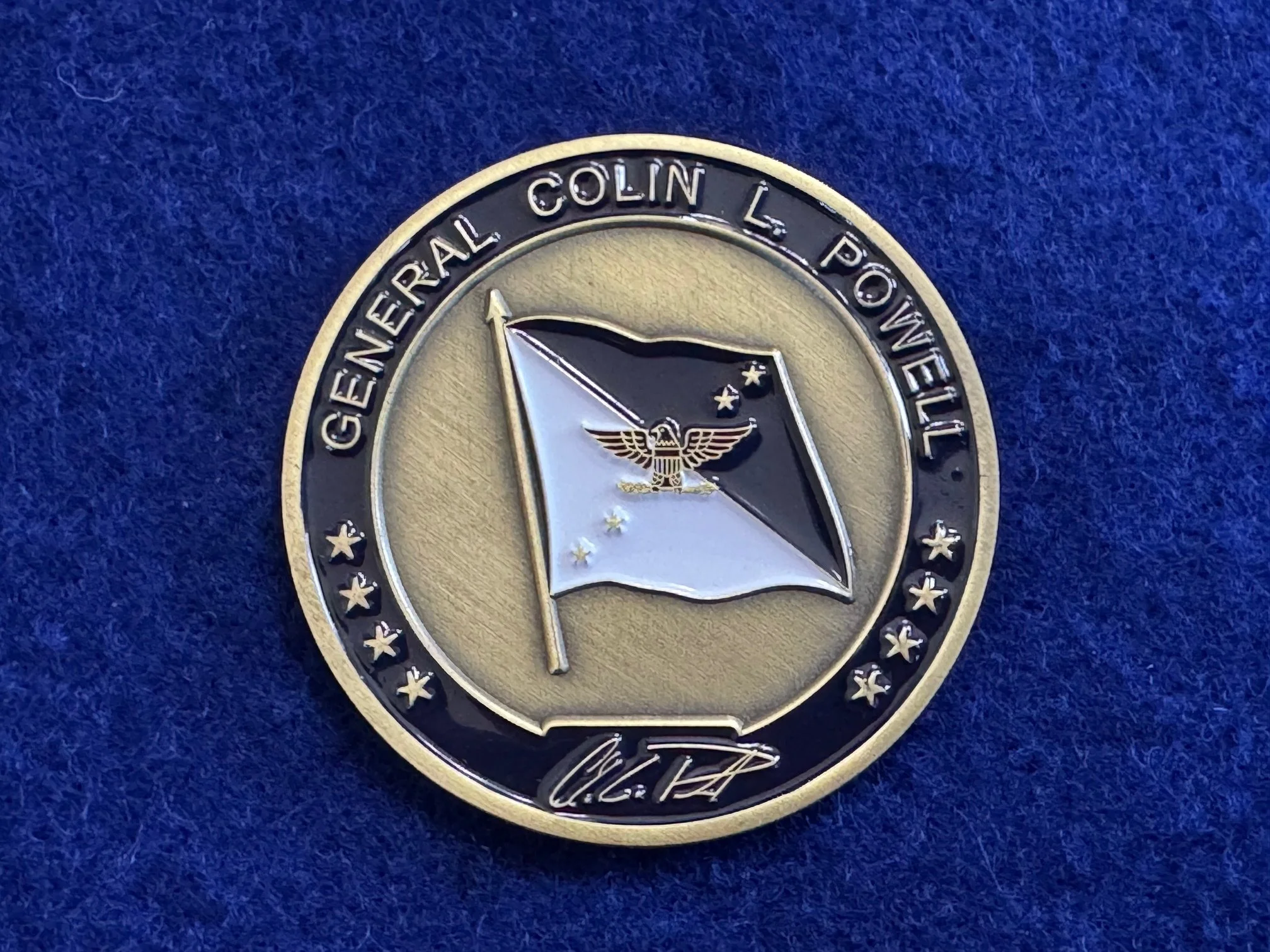
General Colin L. Powell
U.S. Army
12th Chairman of the Joint Chiefs of Staff
1 October 1989 - 30 September 1993
General Colin L. Powell
U.S. Army
12th Chairman of the Joint Chiefs of Staff
1 October 1989 - 30 September 1993
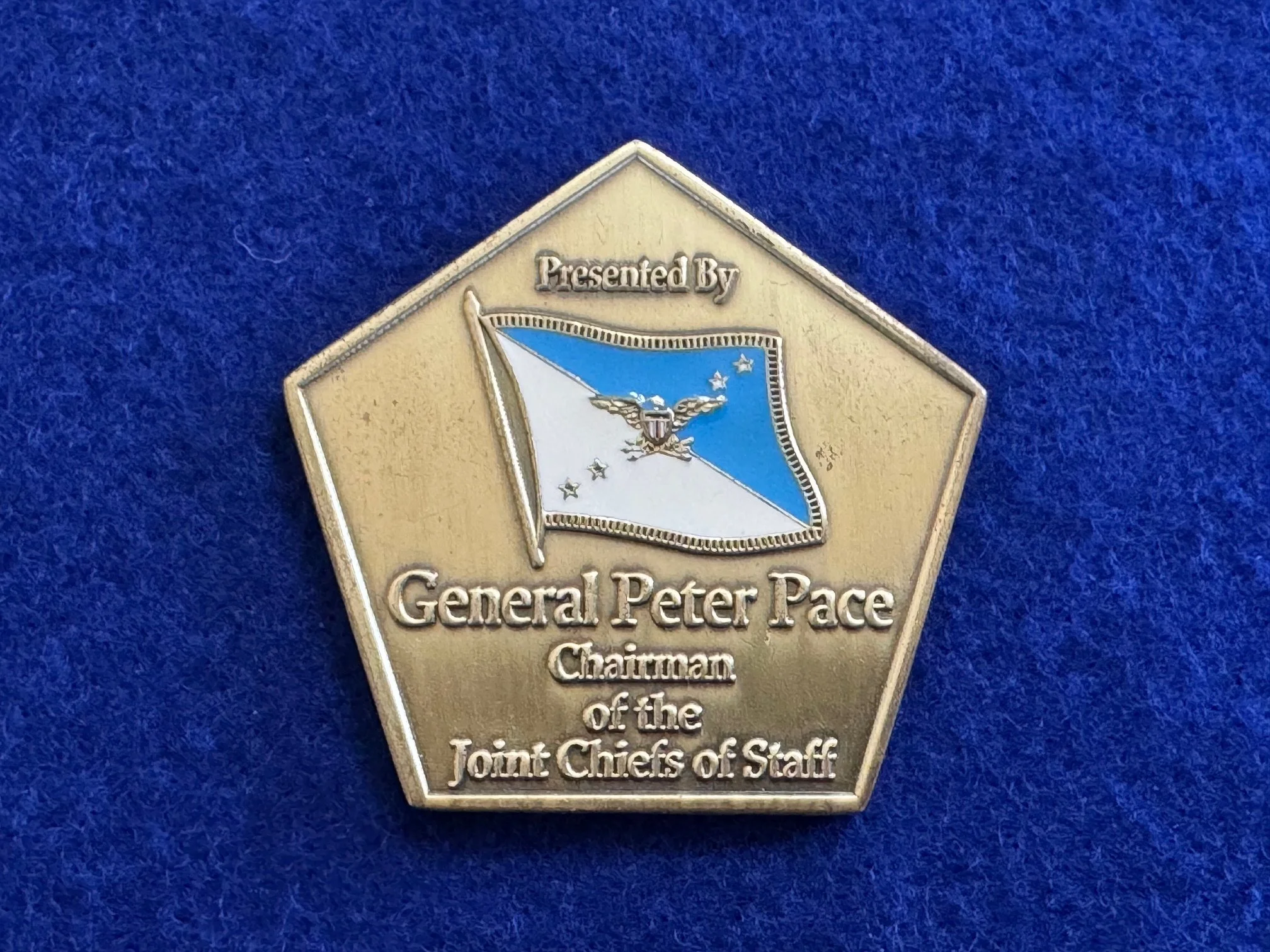
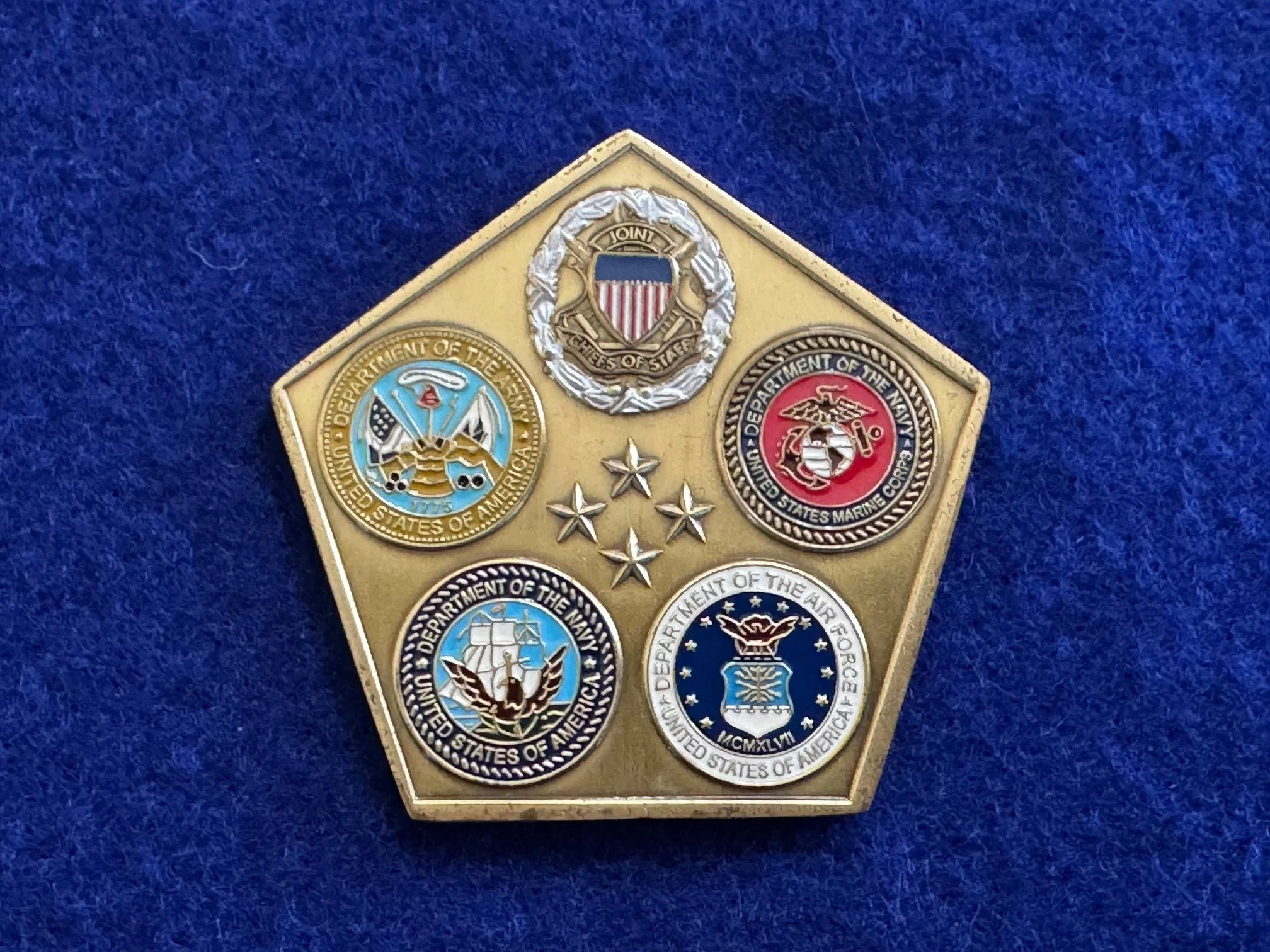
General Peter Pace
U.S. Marine Corps
16th Chairman of the Joint Chiefs of Staff
1 October 2005 - 30 September 2007
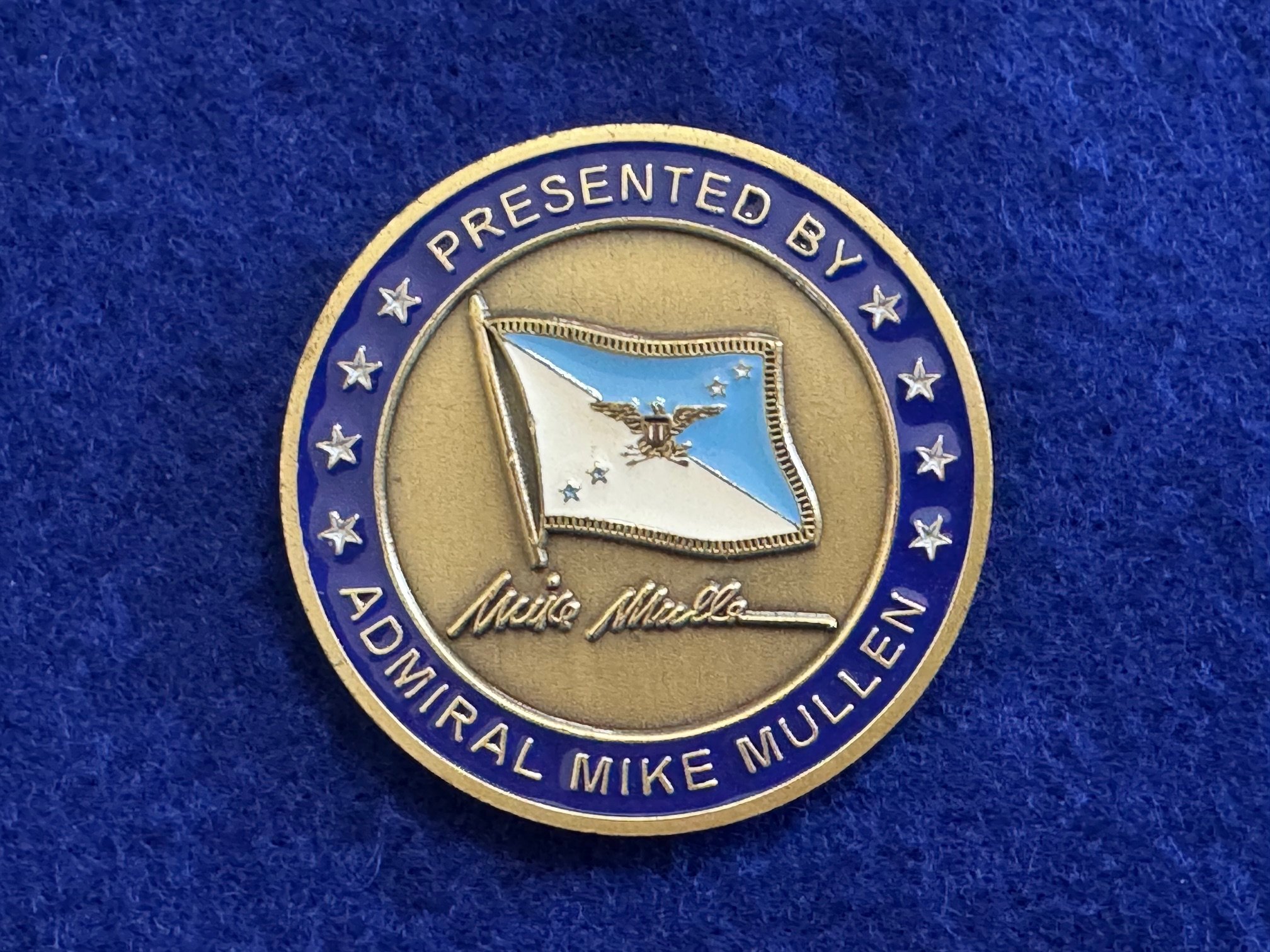
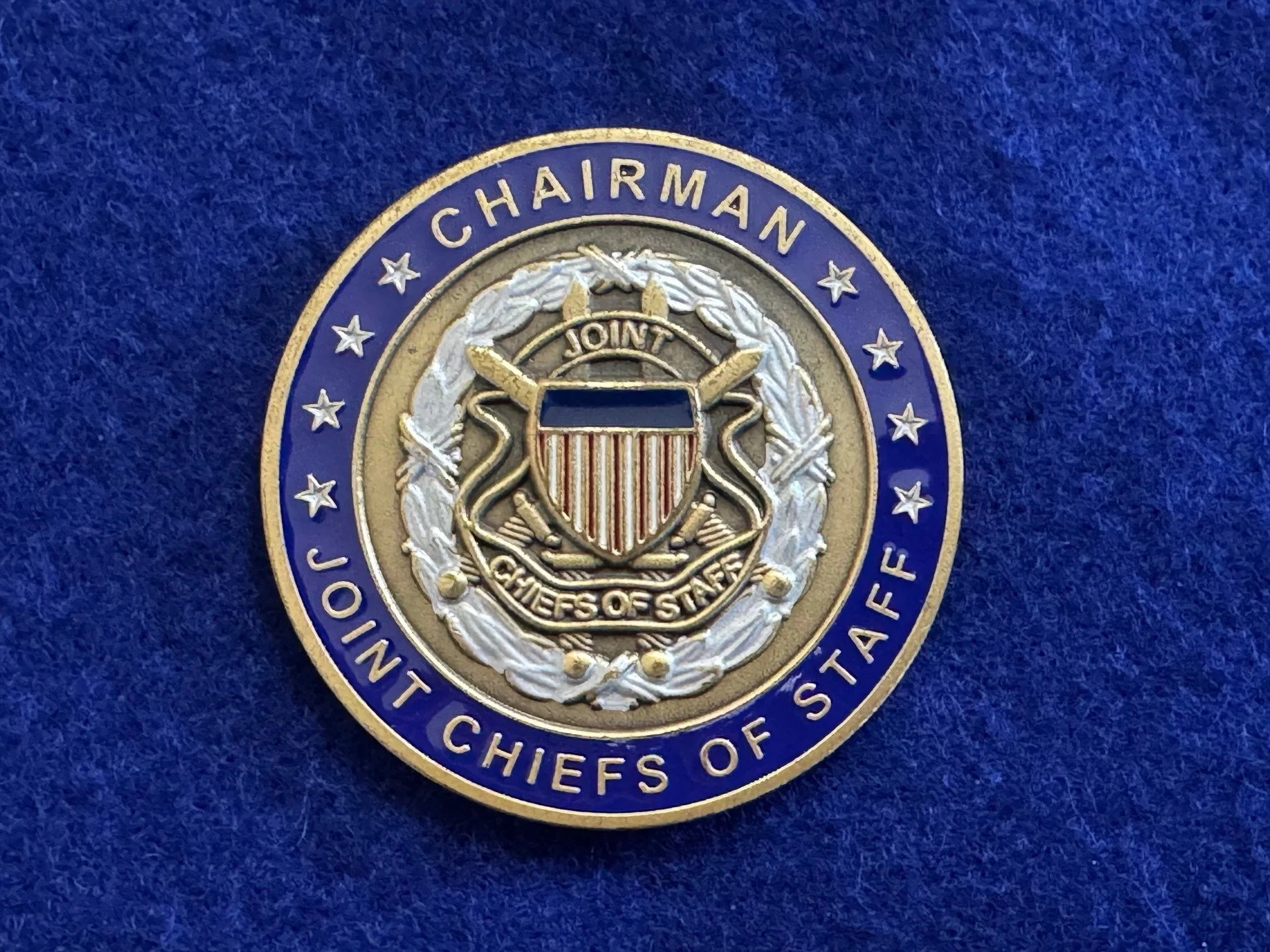
Admiral Michael G. Mullen
U.S. Navy
17th Chairman of the Joint Chiefs of Staff
1 October 2007 - 30 September 2011
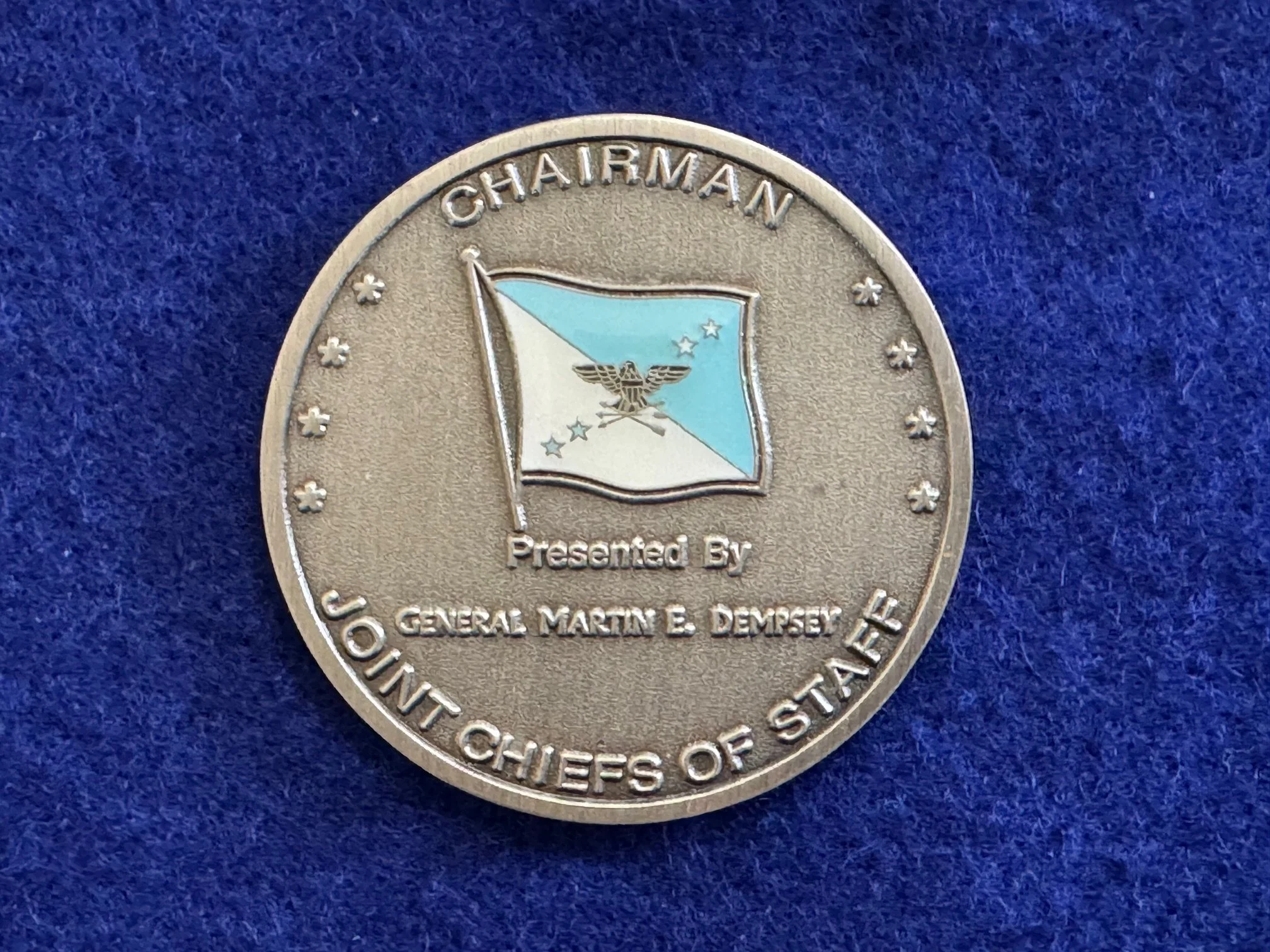
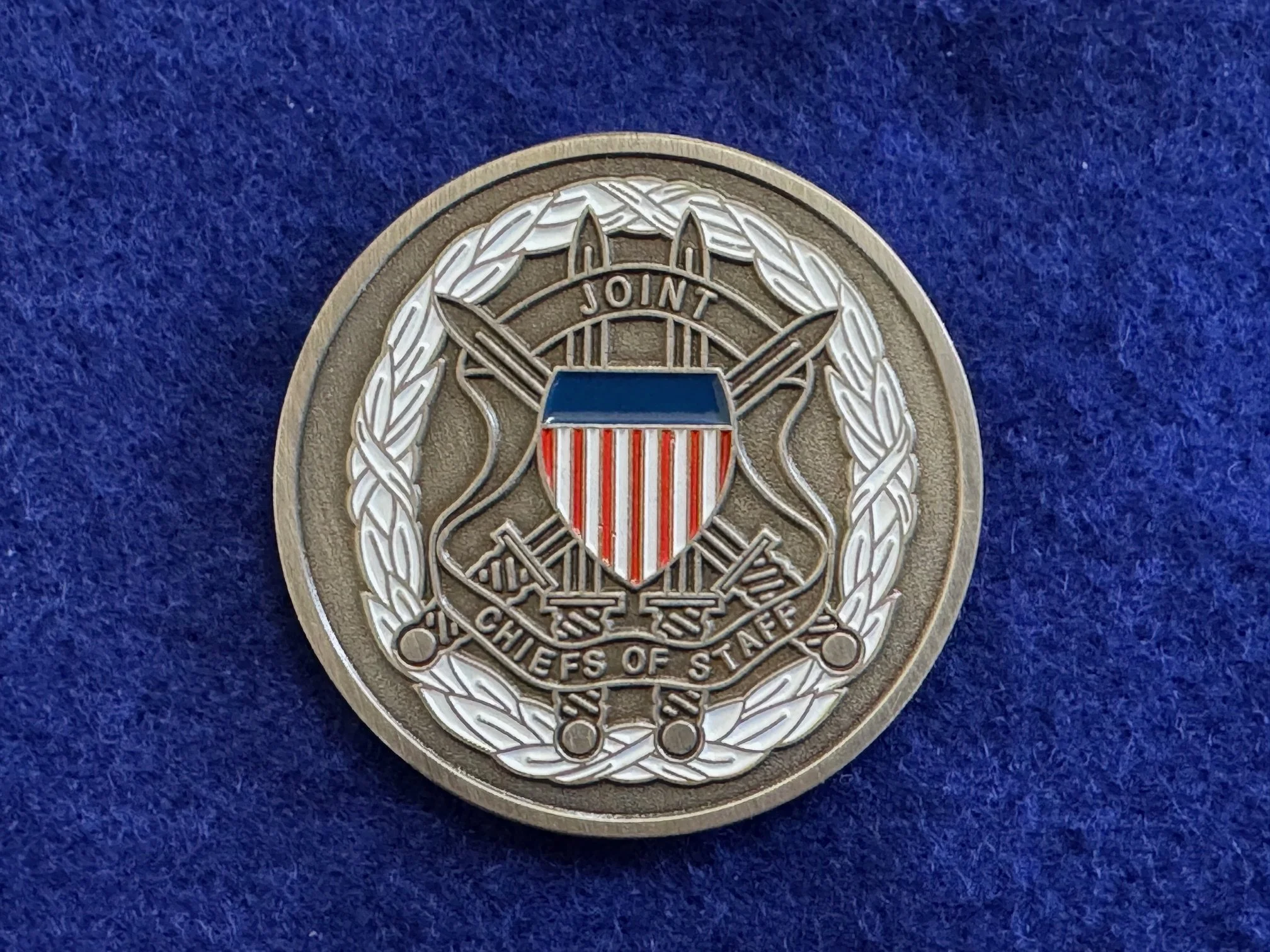
General Martin E. Dempsey
U.S. Army
18th Chairman of the Joint Chiefs of Staff
1 October 2011 - 30 September 2015
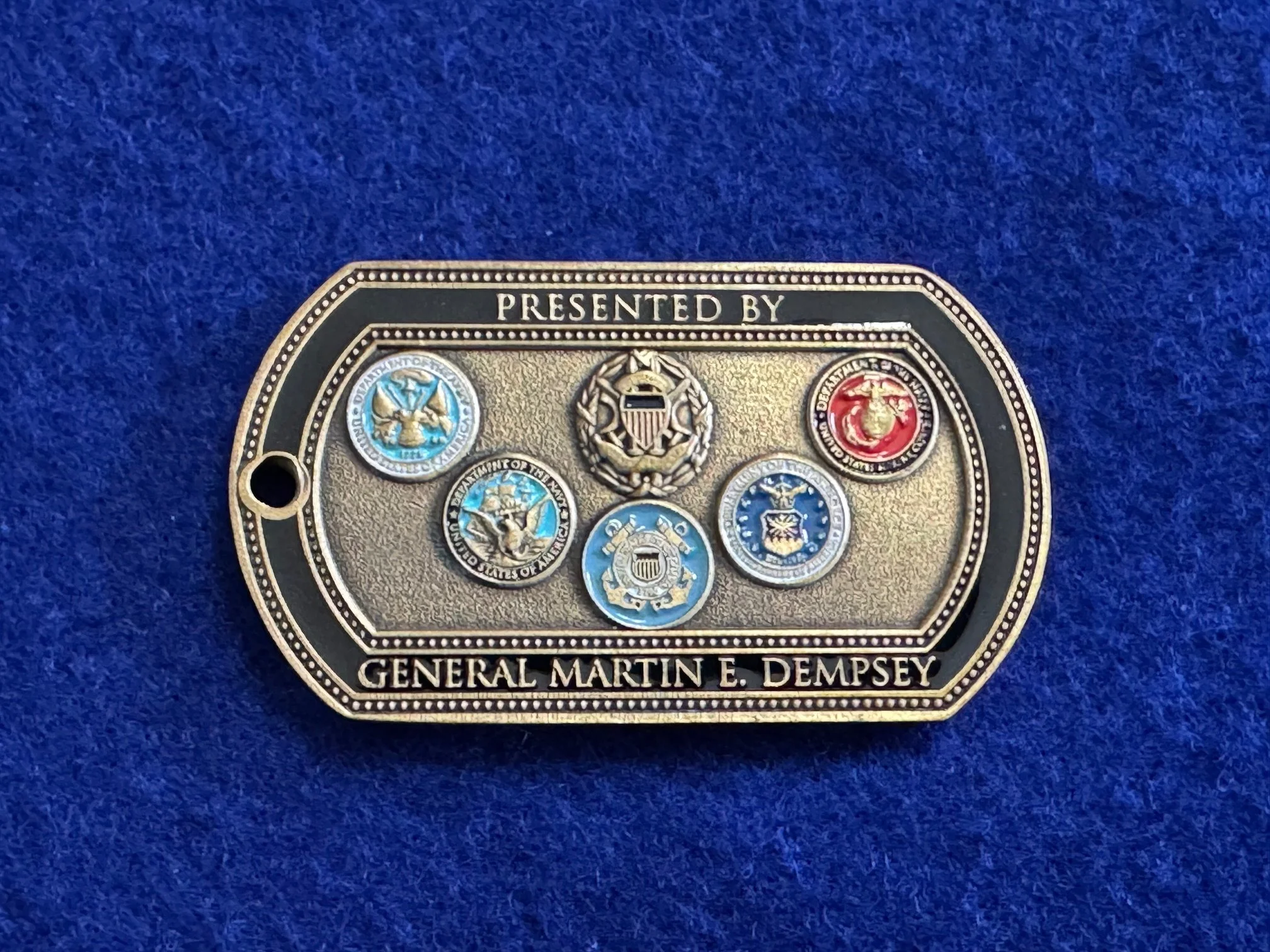
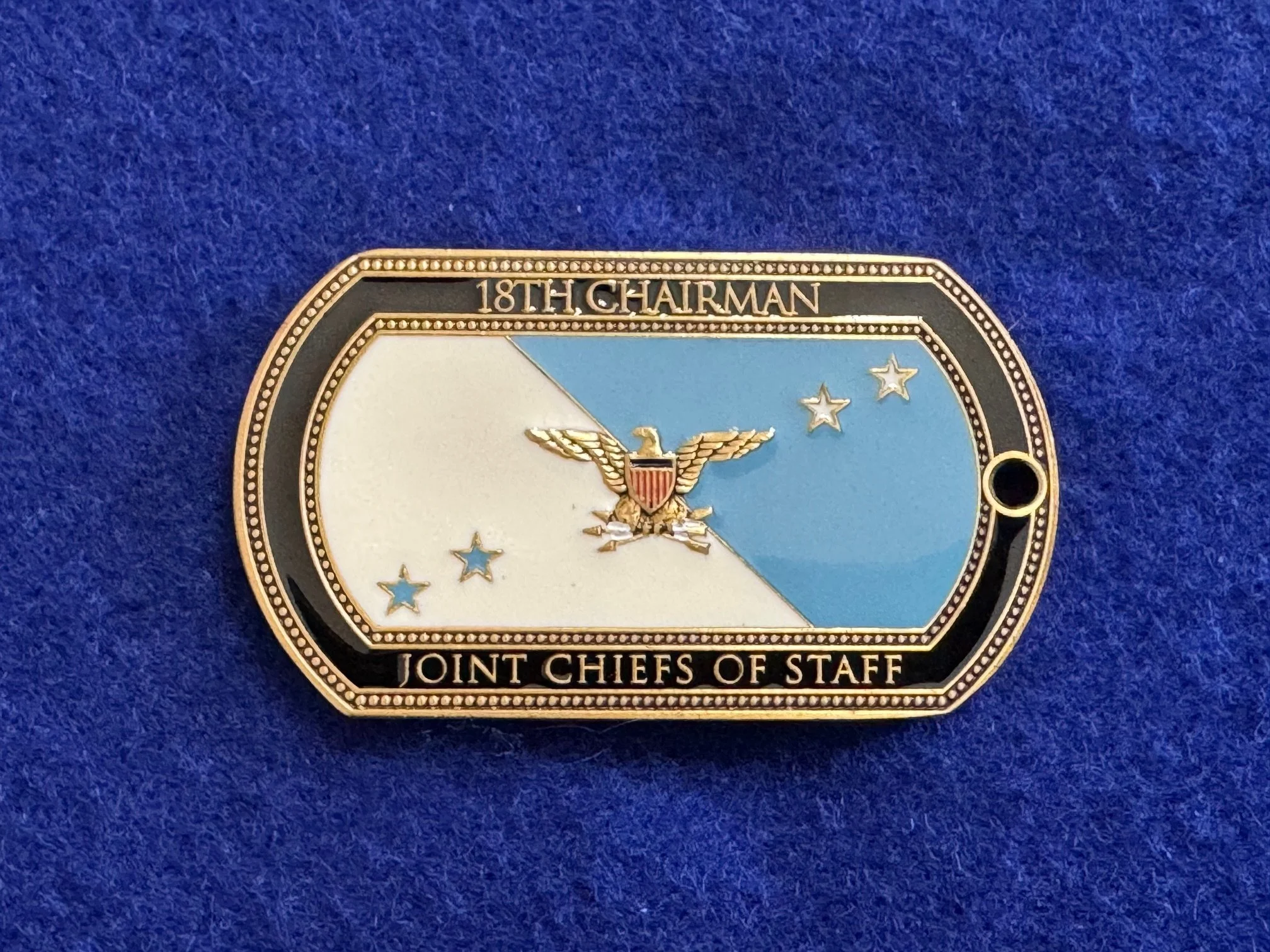
General Martin E. Dempsey
U.S. Army
18th Chairman of the Joint Chiefs of Staff
1 October 2011 - 30 September 2015
(2-1/4” W x 1-5/8” H)
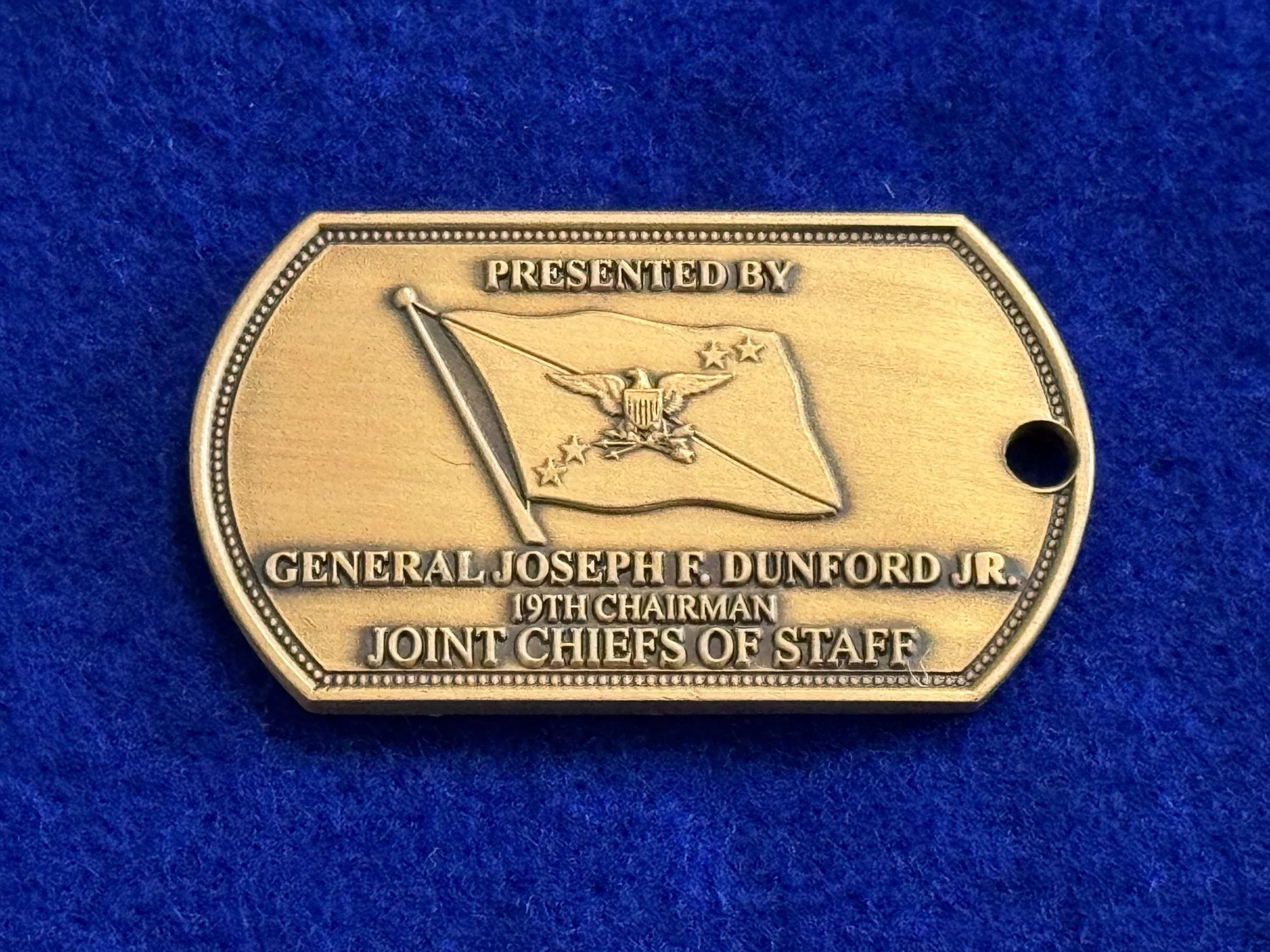
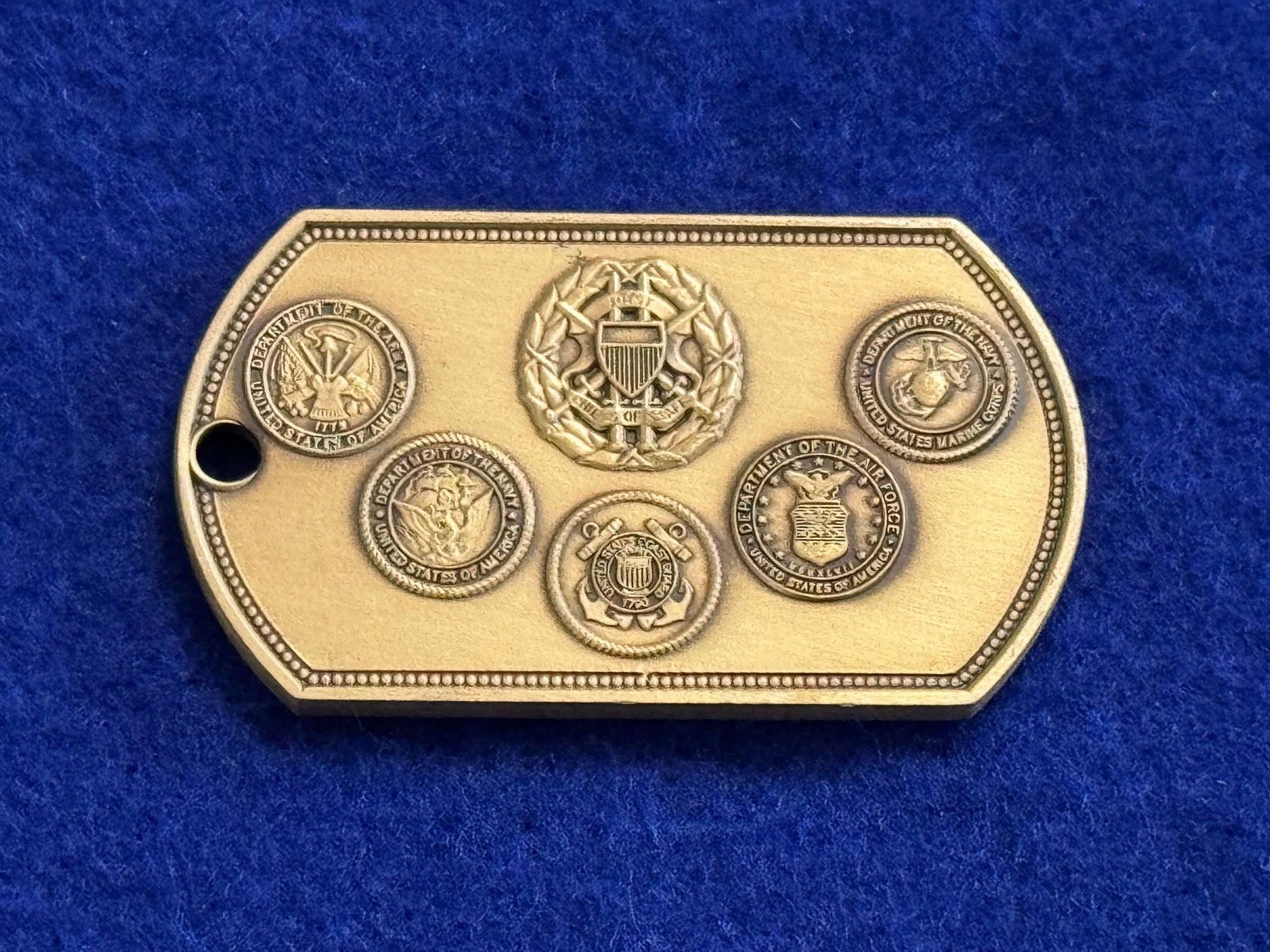
General Joseph F. Dunford, Jr.
U.S. Marine Corps
19th Chairman of the Joint Chiefs of Staff
1 October 2015 - 30 September 2019
(2-1/4” W x 1-5/8” H)
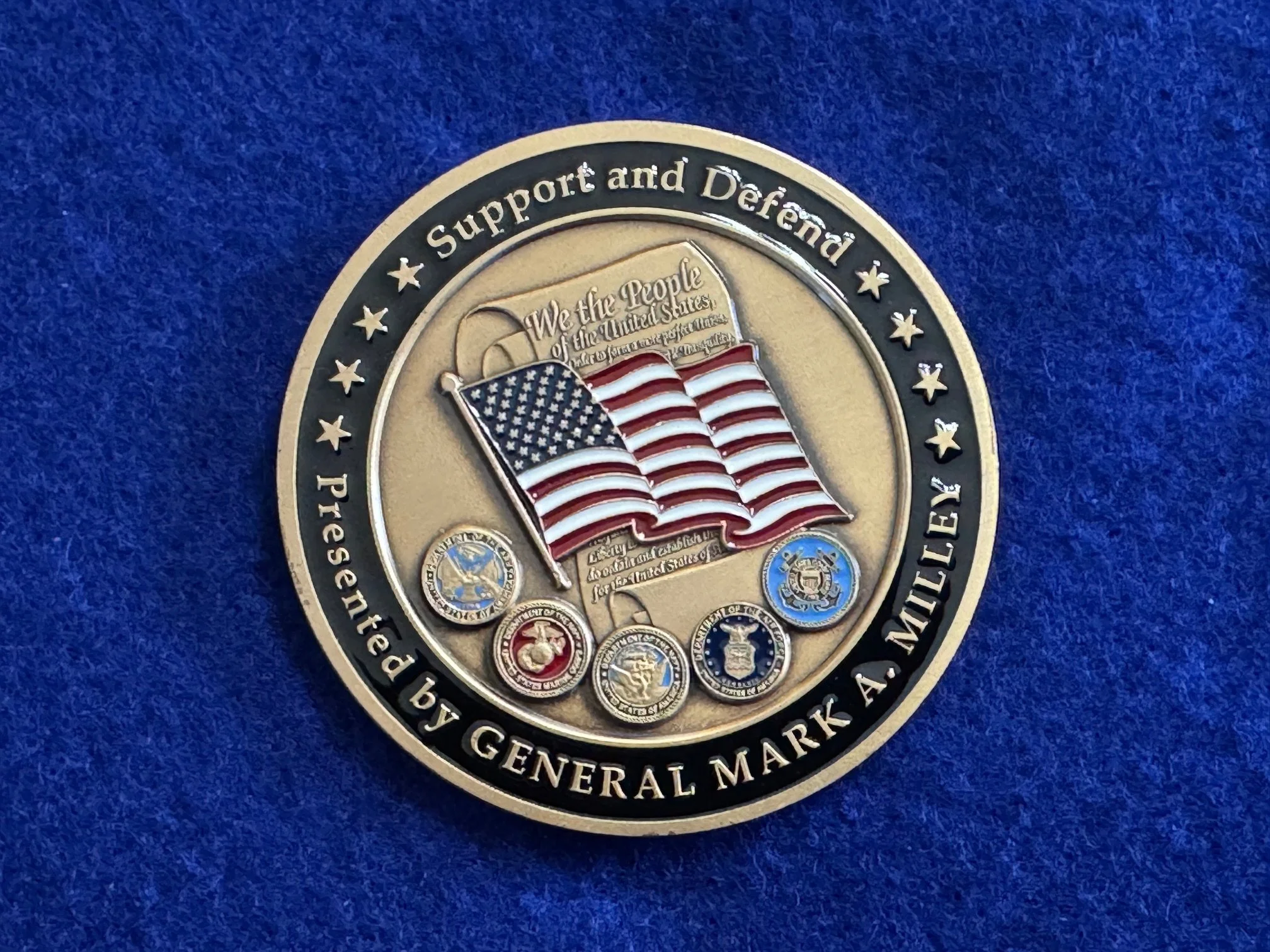
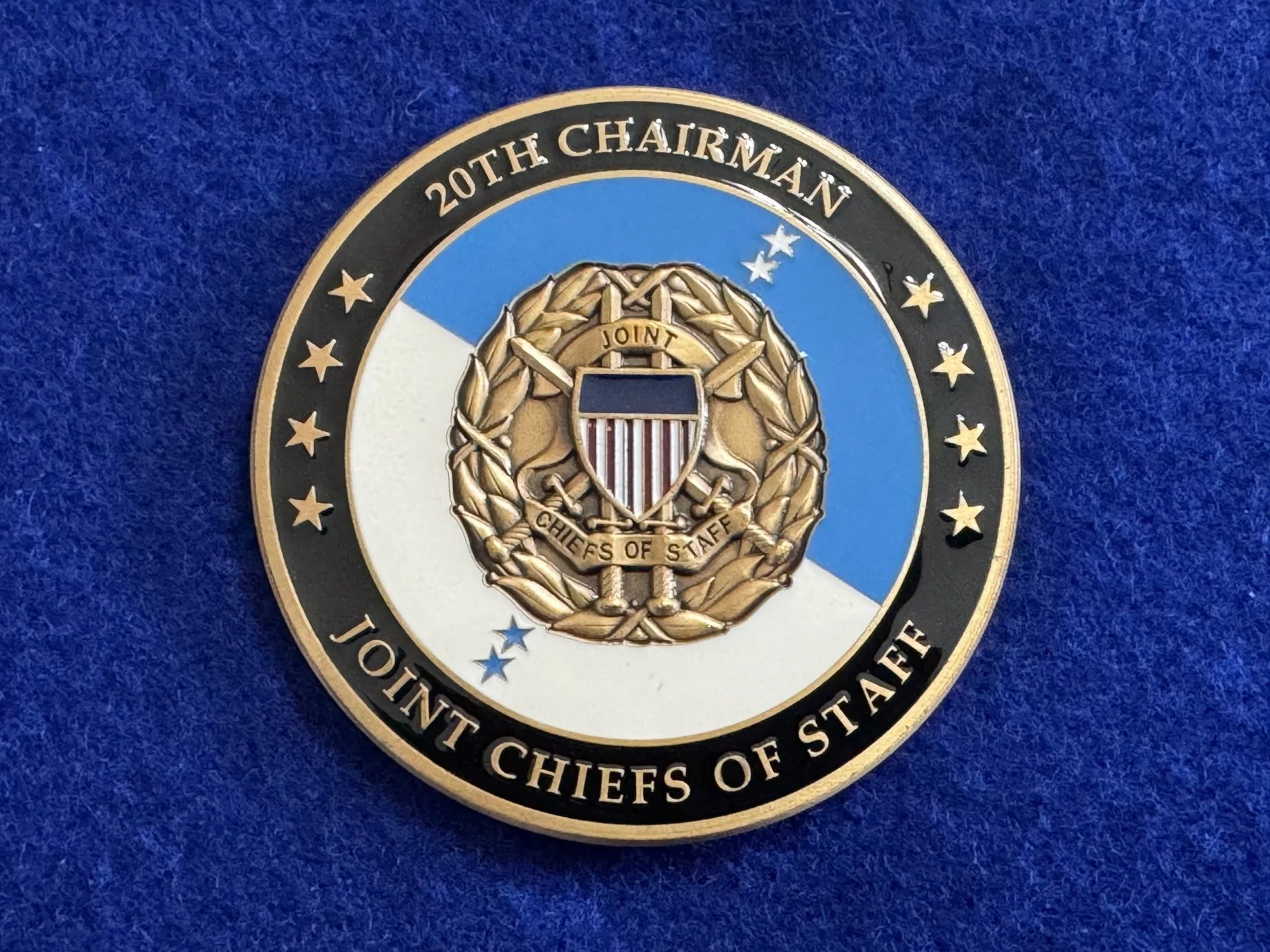
General Mark A. Milley
U.S. Army
20th Chairman of the Joint Chiefs of Staff
1 October 2019 - 30 September 2023
(2-1/4” diameter)
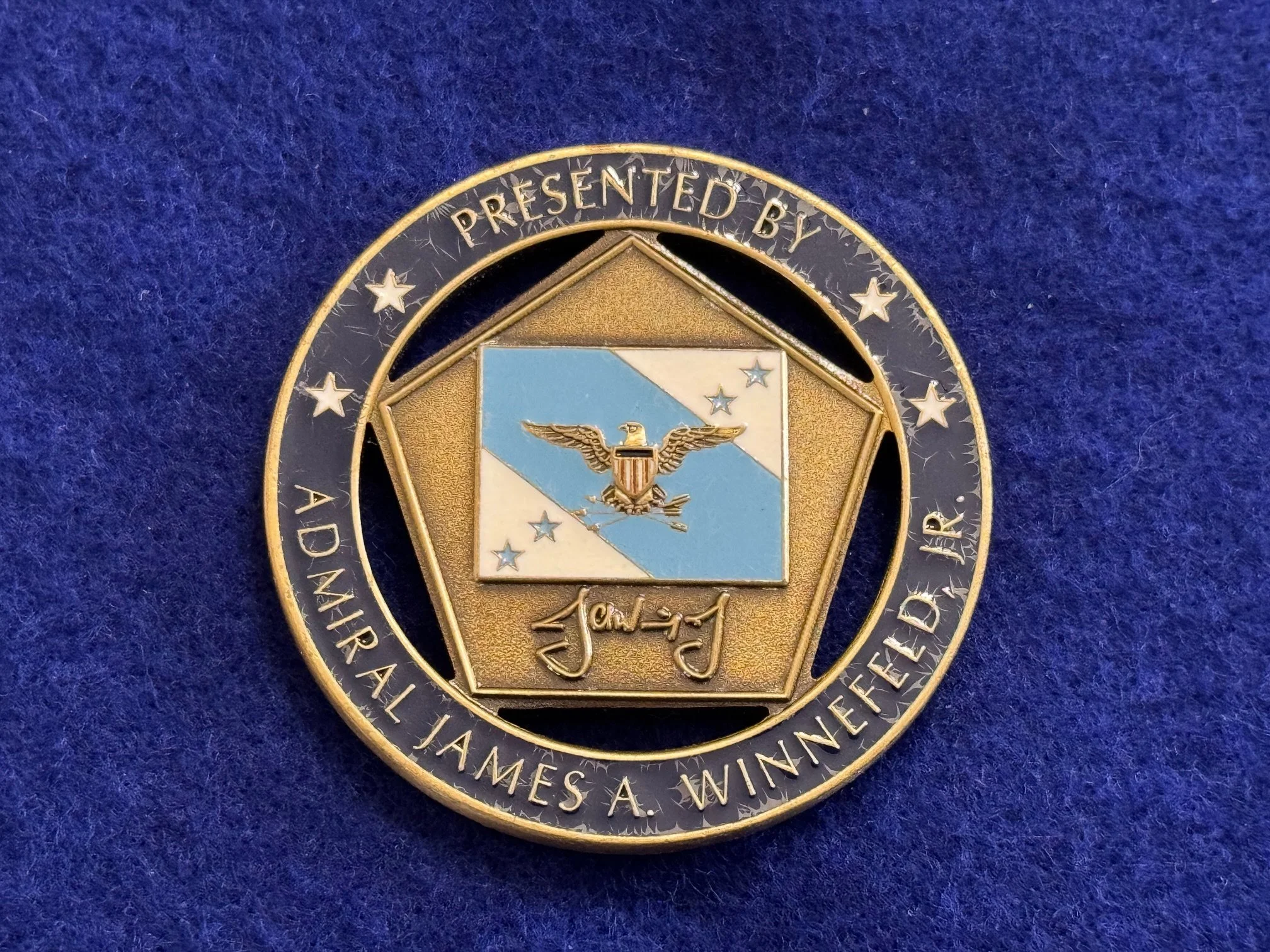
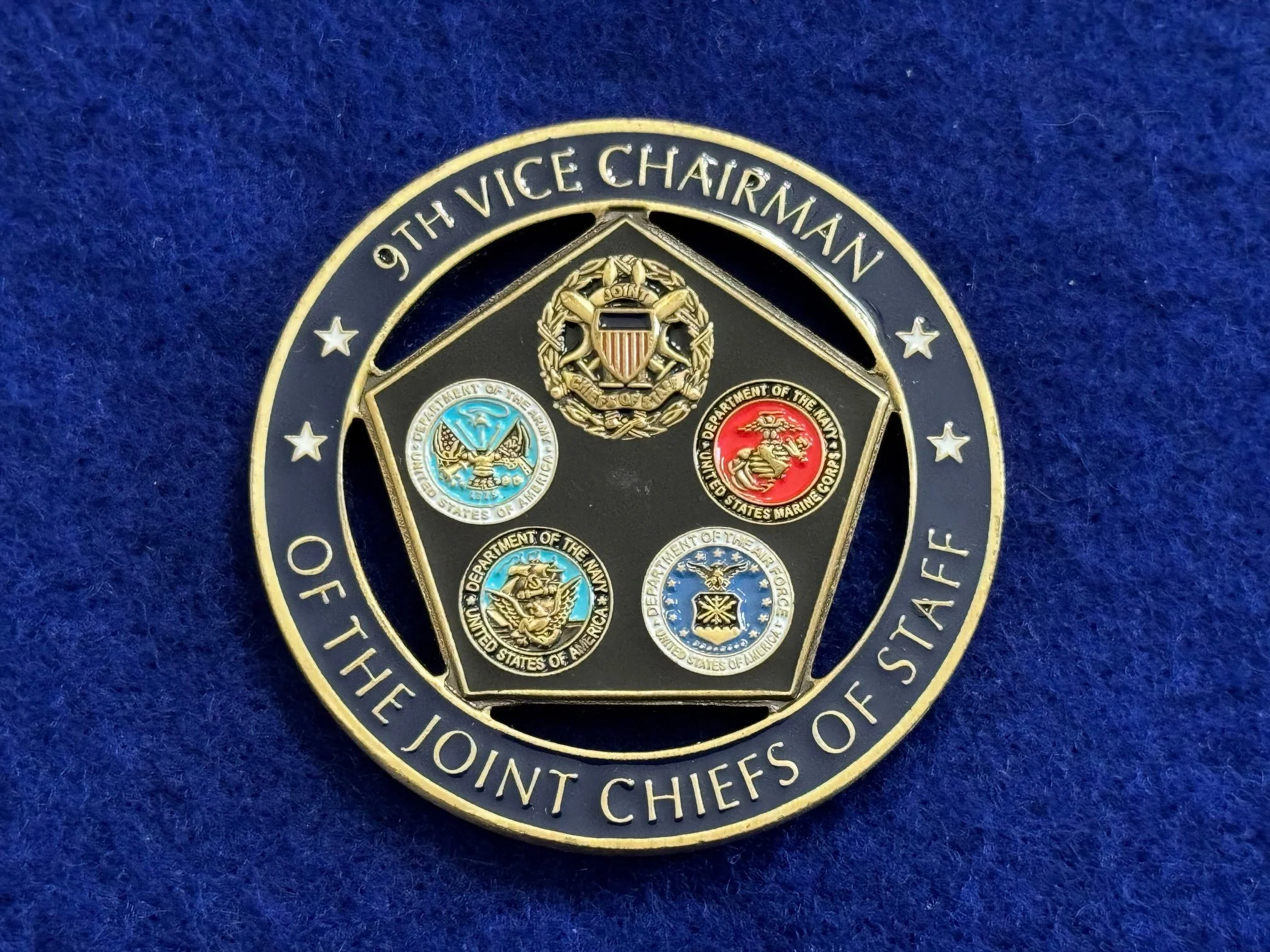
Admiral James A. Winnefeld, Jr.
U.S. Navy
9th Vice Chairman of the Joint Chiefs of Staff
4 August 2011 - 31 July 2015
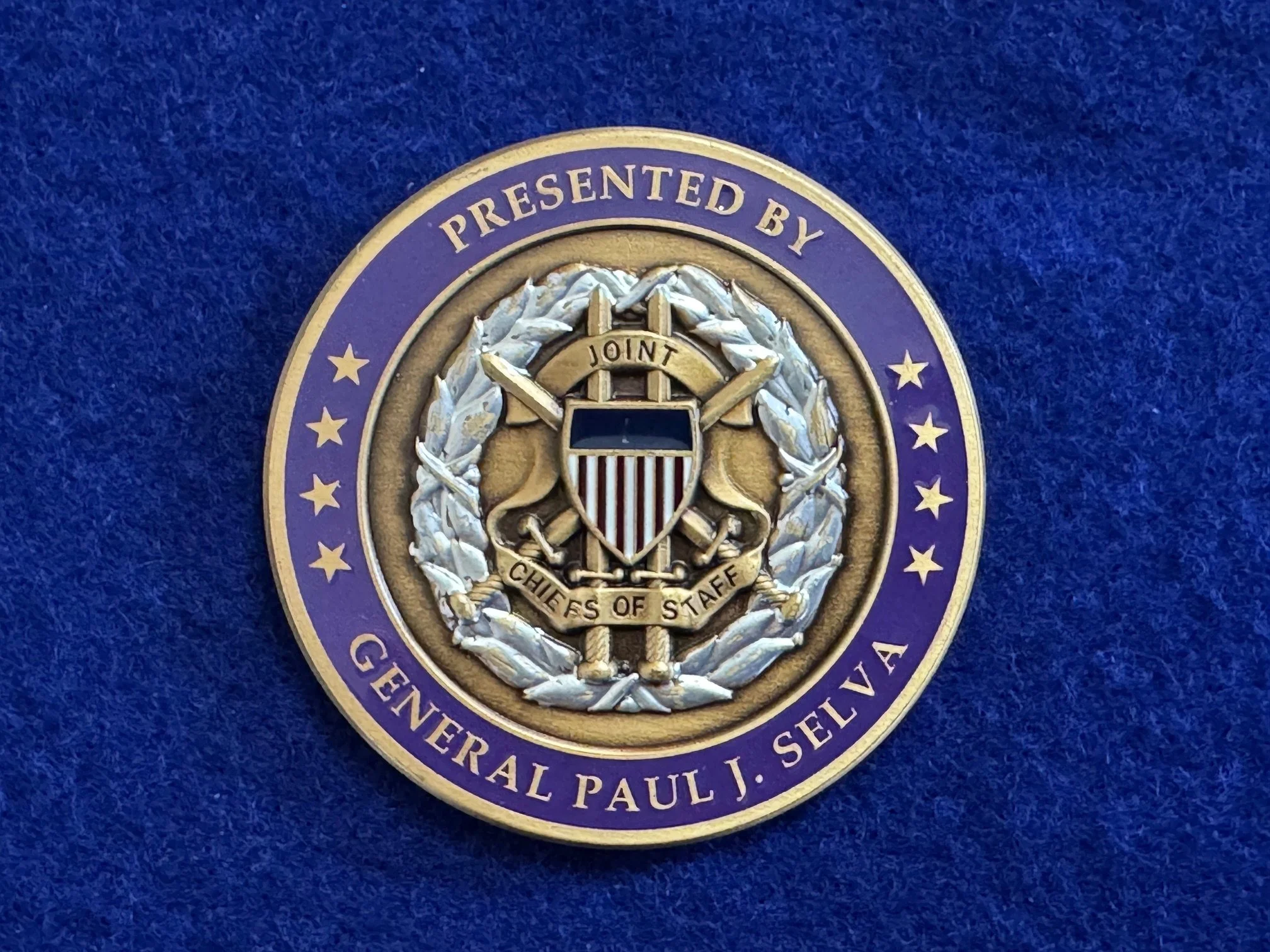
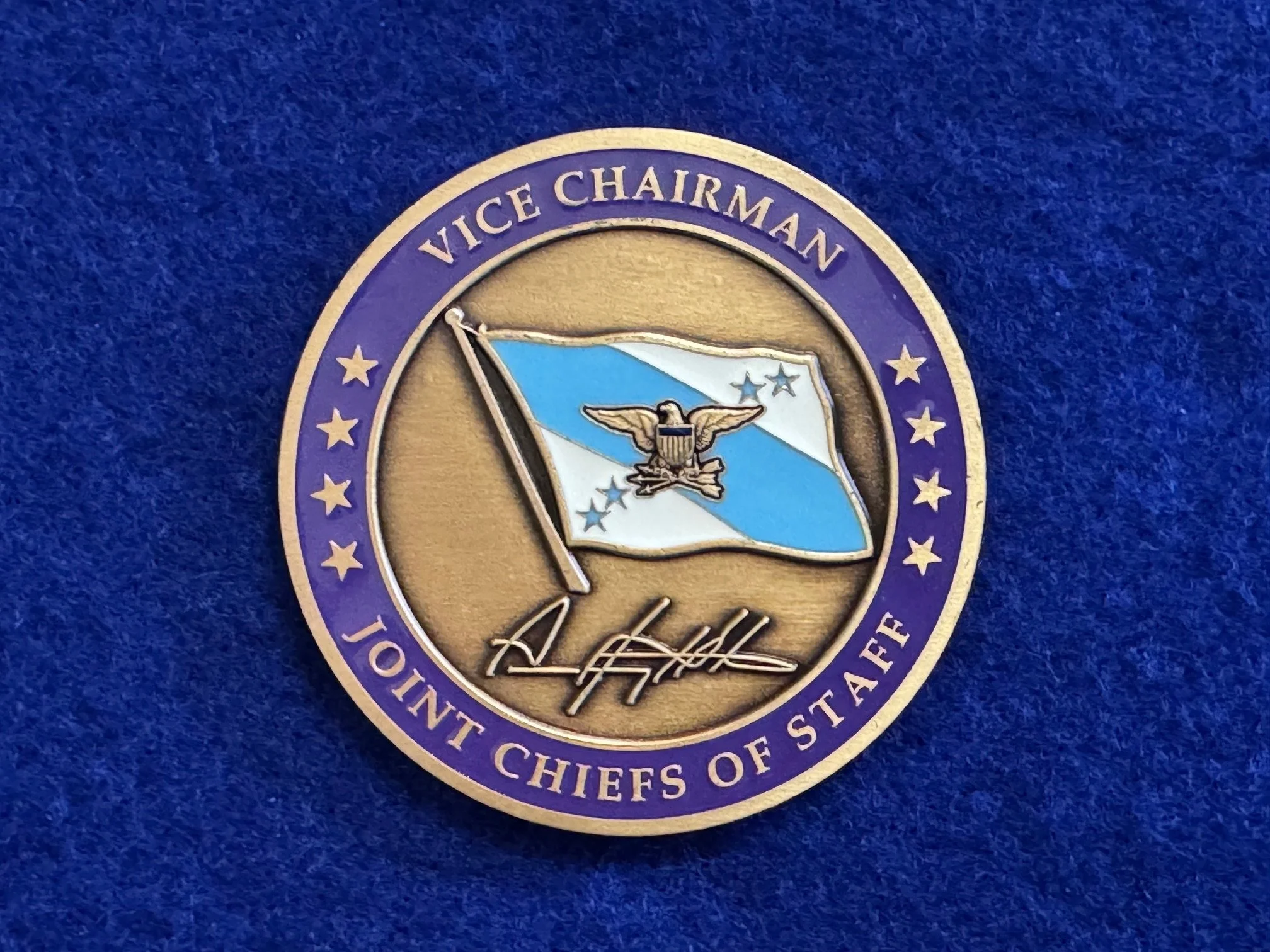
General Paul J. Selva
U.S. Air Force
10th Vice Chairman of the Joint Chiefs of Staff
31 July 2015 - 31 July 2019
★★★★★★★★★★★★★★★★★★★★★★★★★★★★
SENIOR ENLISTED ADVISOR TO THE CHAIRMAN (SEAC)
The Senior Enlisted Advisor to the Chairman (SEAC) is a separate military position and rank designated as the most-senior enlisted service member by position in the U.S. Armed Forces. The SEAC serves as the primary enlisted advisor to the Chairman of the Joint Chiefs of Staff (CJCS). Appointed by the CJCS, the SEAC provides essential guidance on joint and combined total force integration, enlisted development, force health, and readiness.
The SEAC serves as a direct link between the CJCS and the Joint Force, ensuring perspectives are represented at the highest levels. While the SEAC’s duties vary based on the CJCS’s direction, the role consistently involves traveling across the Department of Defense, observing training and education, and addressing issues impacting active, Guard, Reserve, retired service members, and military families.
★★★★★★★★★★★★★★★★★★★★★★★★★★★★
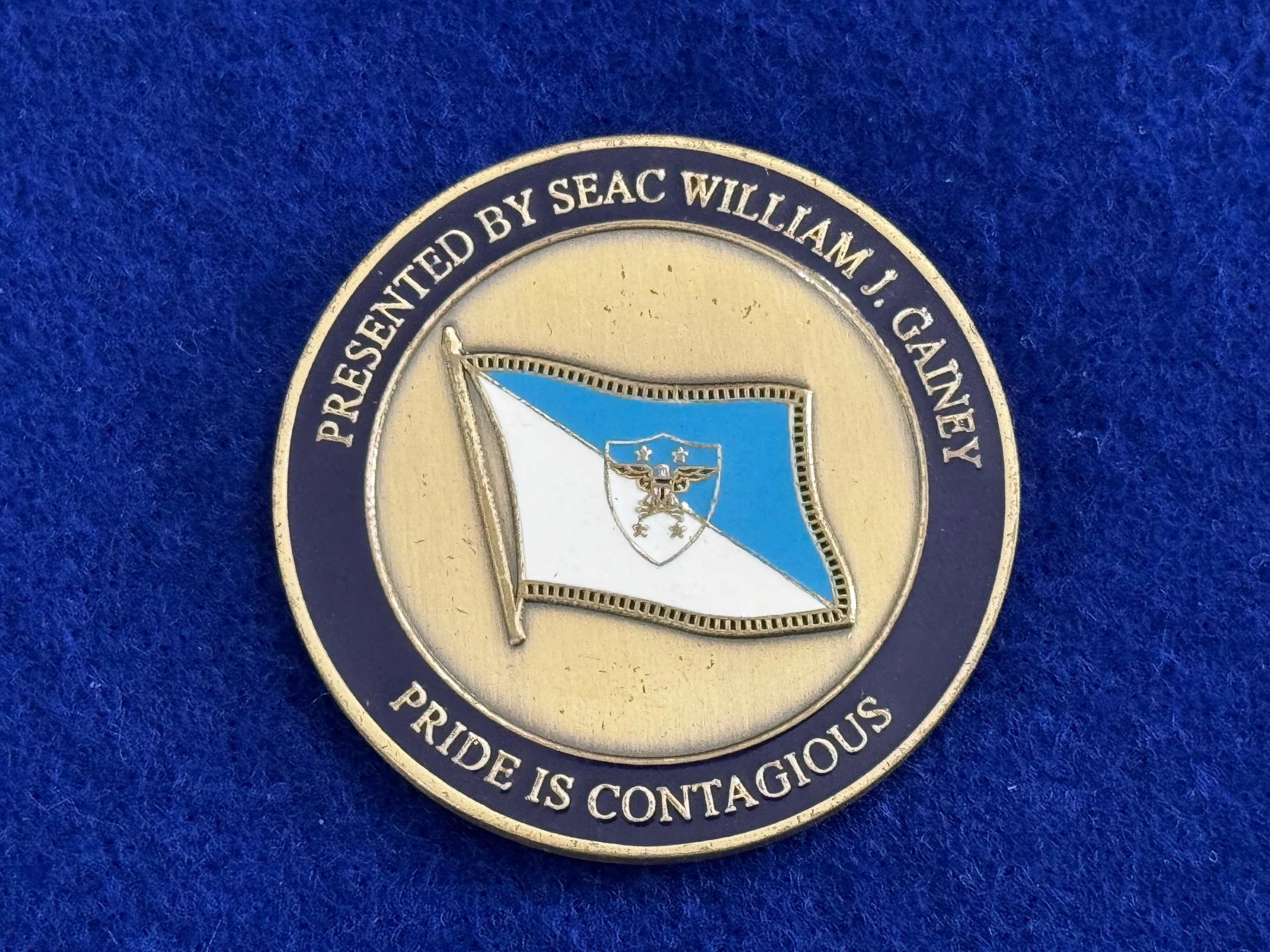
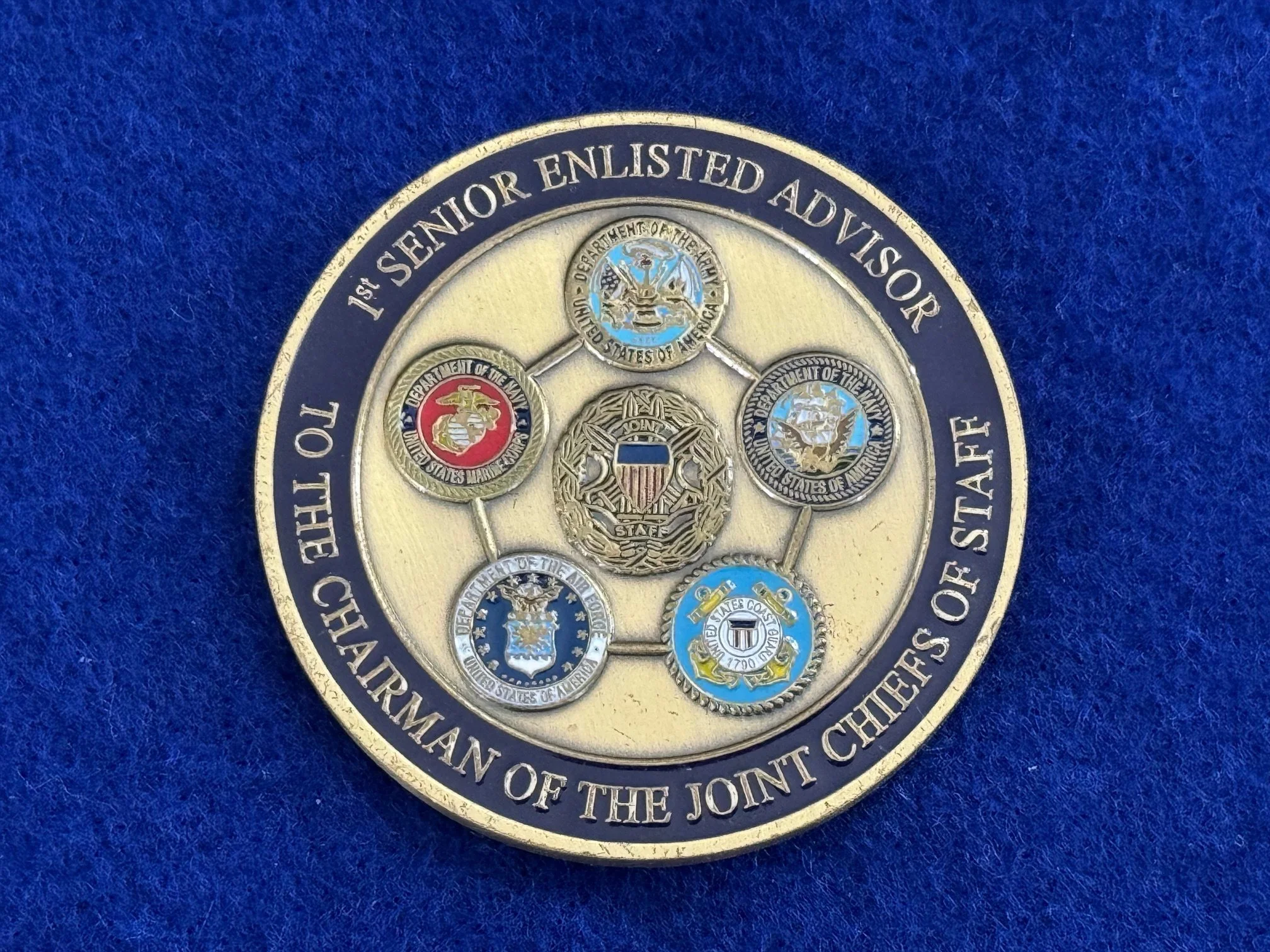
WILLIAM J. GAINEY
Command Sergeant Major, U.S. Army
1st Senior Enlisted Advisor to the
Chairman of the Joint Chiefs of Staff (SEAC)
October 2005 - April 2008
~~~~~~~~~~~~~~~~~~~~~~~~~~~~~~~~~~~~~~~~~~~
NOTE: There is a gap between the 1st and 2nd SEACs as a result of a decision made by then-CJCS
Admiral Michael G. Mullen. After consulting with the Senior Enlisted Advisors (SEA) of the service branches, he chose to not appoint a SEAC. Admiral Mullen felt that the service SEAs were best able to serve the needs of their respective branches being among them rather than having one serve on the JCS. The SEAC position was reinstated in 2011 by Admiral Mullen’s successor, General Martin E. Dempsey.
~~~~~~~~~~~~~~~~~~~~~~~~~~~~~~~~~~~~~~~~~~~
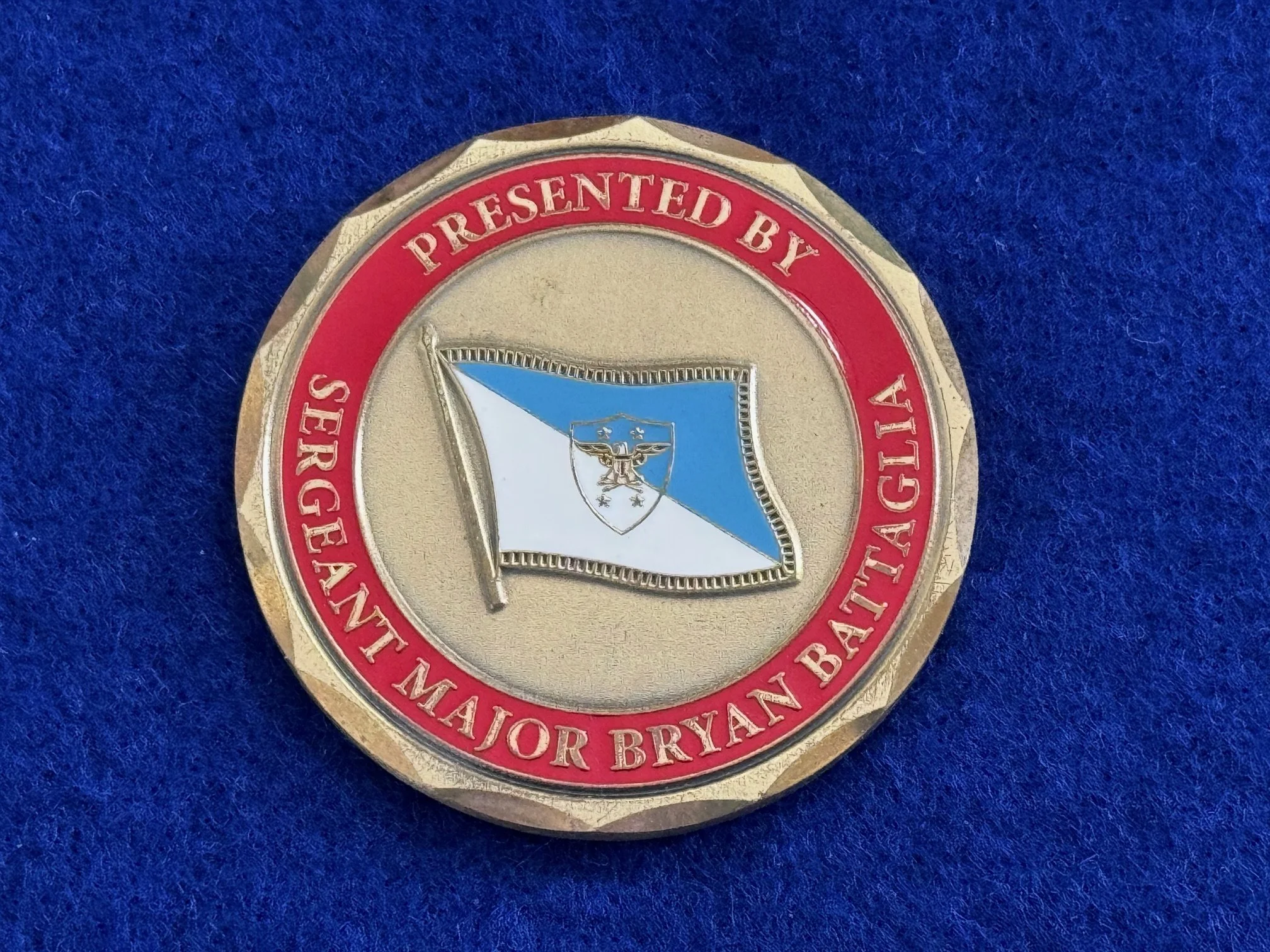
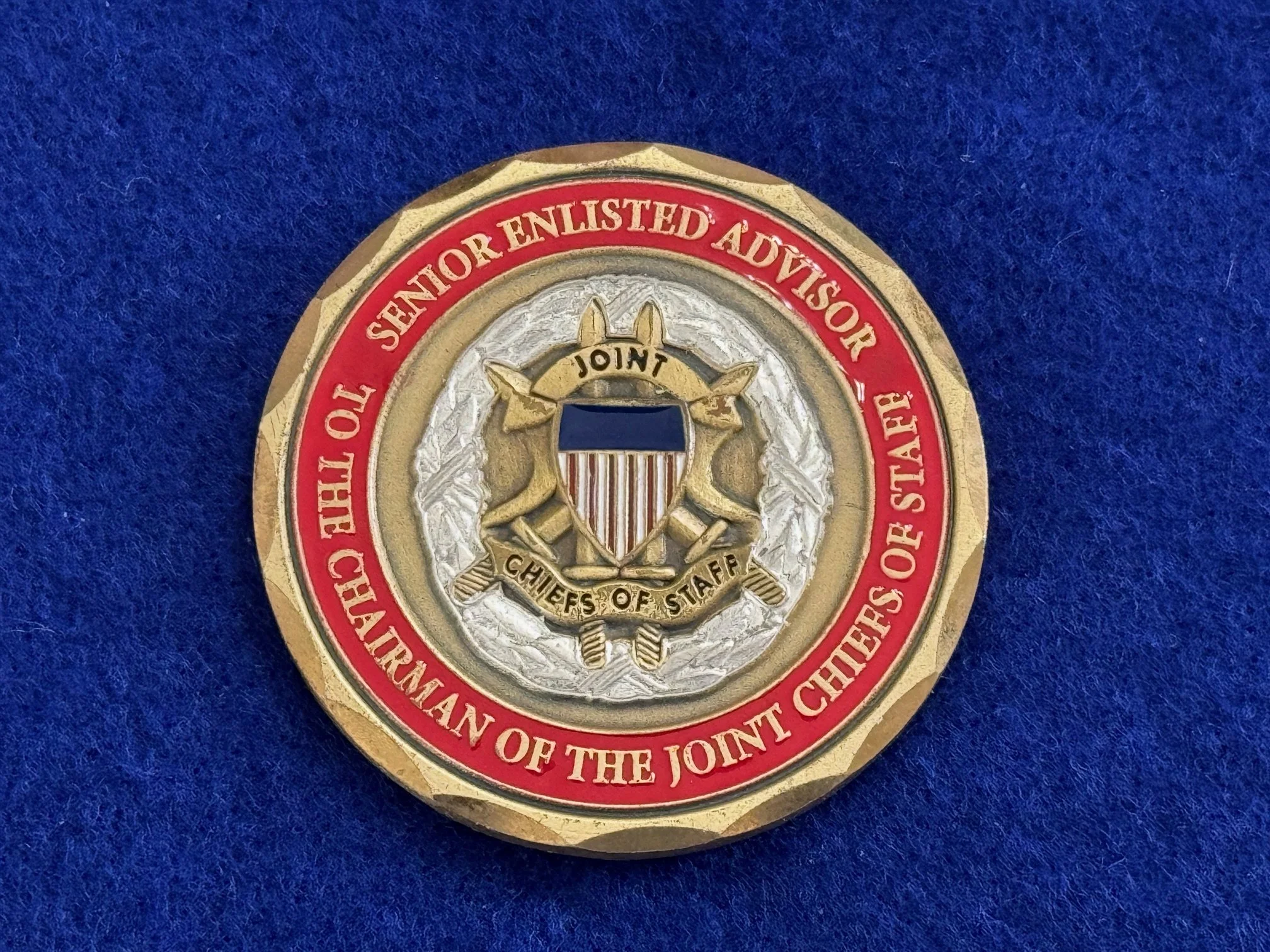
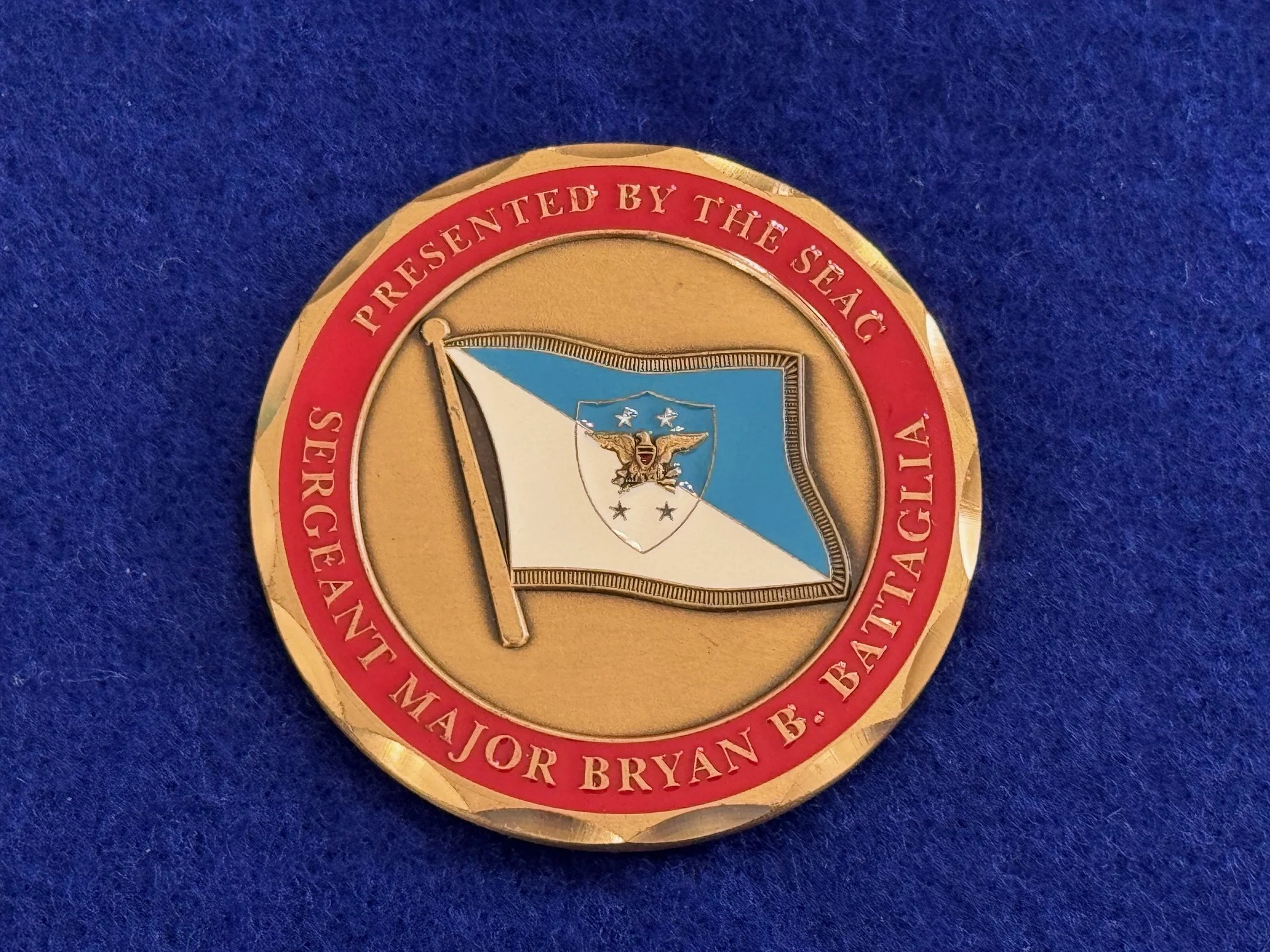
BRYAN B. BATTAGLIA
Sergeant Major, U.S. Marine Corps
2nd Senior Enlisted Advisor to the
Chairman of the Joint Chiefs of Staff (SEAC)
October 2011 - December 2011
(Version 1)
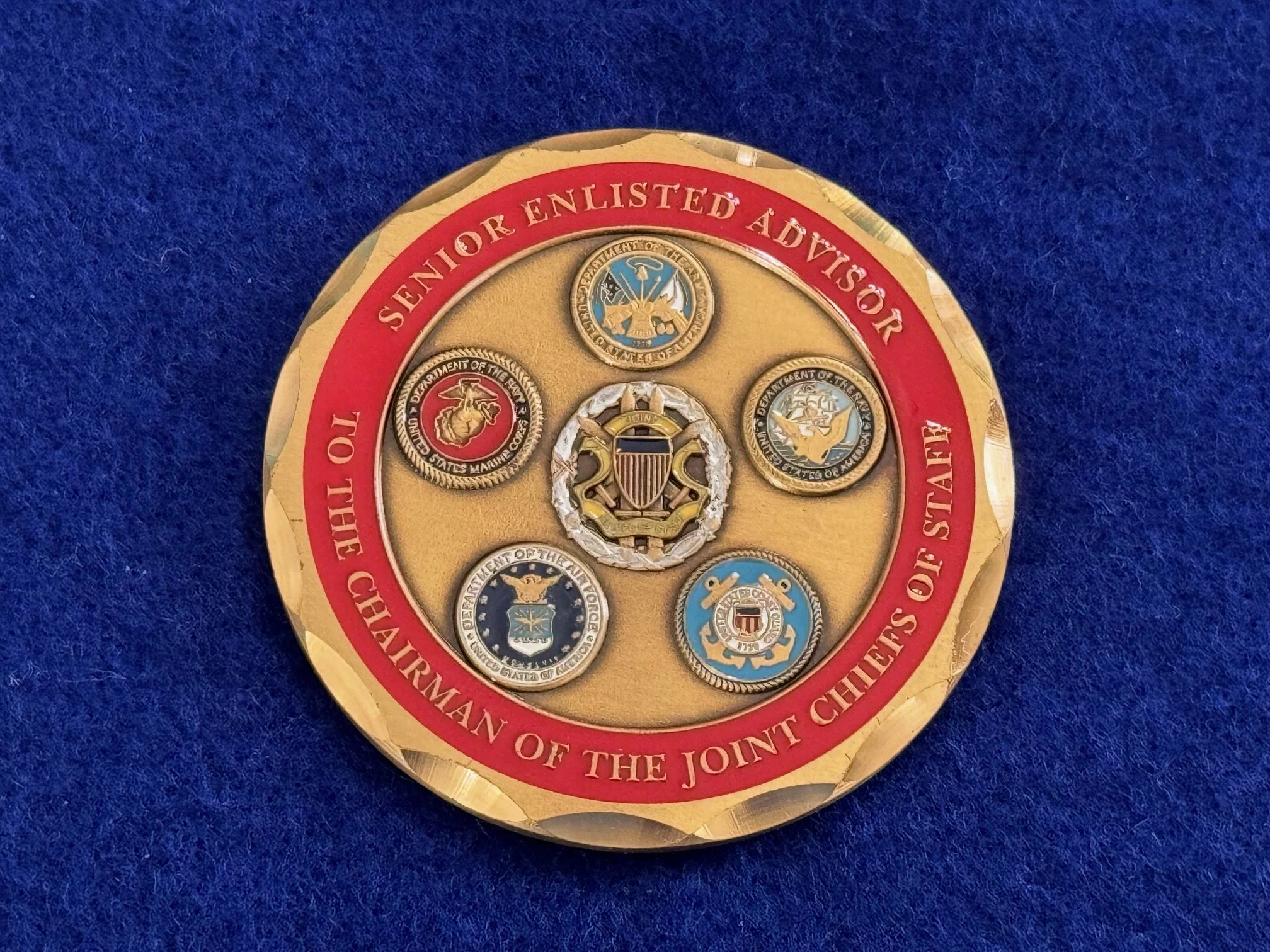
BRYAN B. BATTAGLIA
Sergeant Major, U.S. Marine Corps
2nd Senior Enlisted Advisor to the
Chairman of the Joint Chiefs of Staff (SEAC)
October 2011 - December 2011
(Version 2)
★★★★★★★★★★★★★★★★★★★★★★★★★★★★
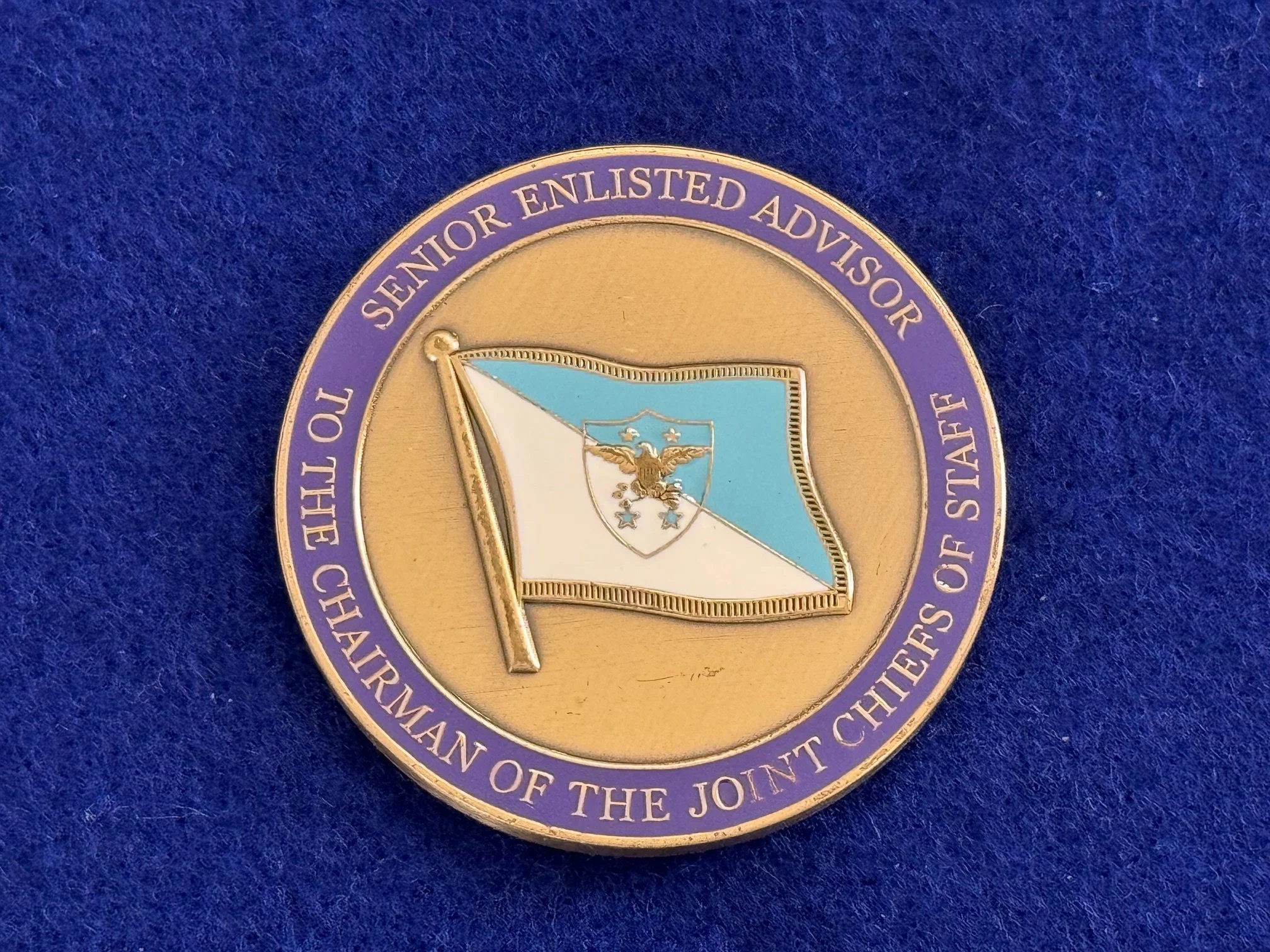
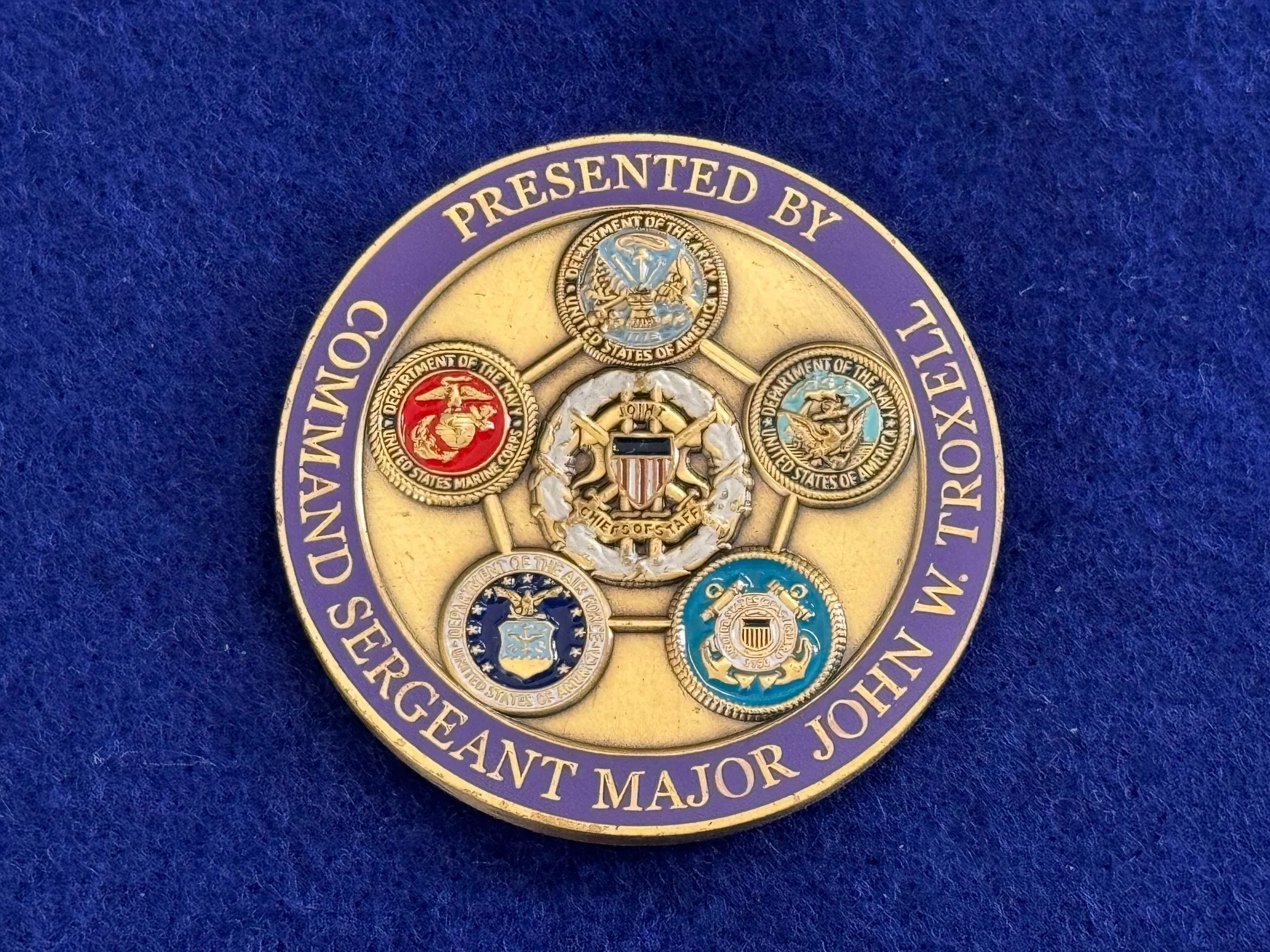
JOHN W. TROXELL
Command Sergeant Major, U.S. Army
3rd Senior Enlisted Advisor to the
Chairman of the Joint Chiefs of Staff (SEAC)
December 2015 - December 2019
★★★★★★★★★★★★★★★★★★★★★★★★★★★★
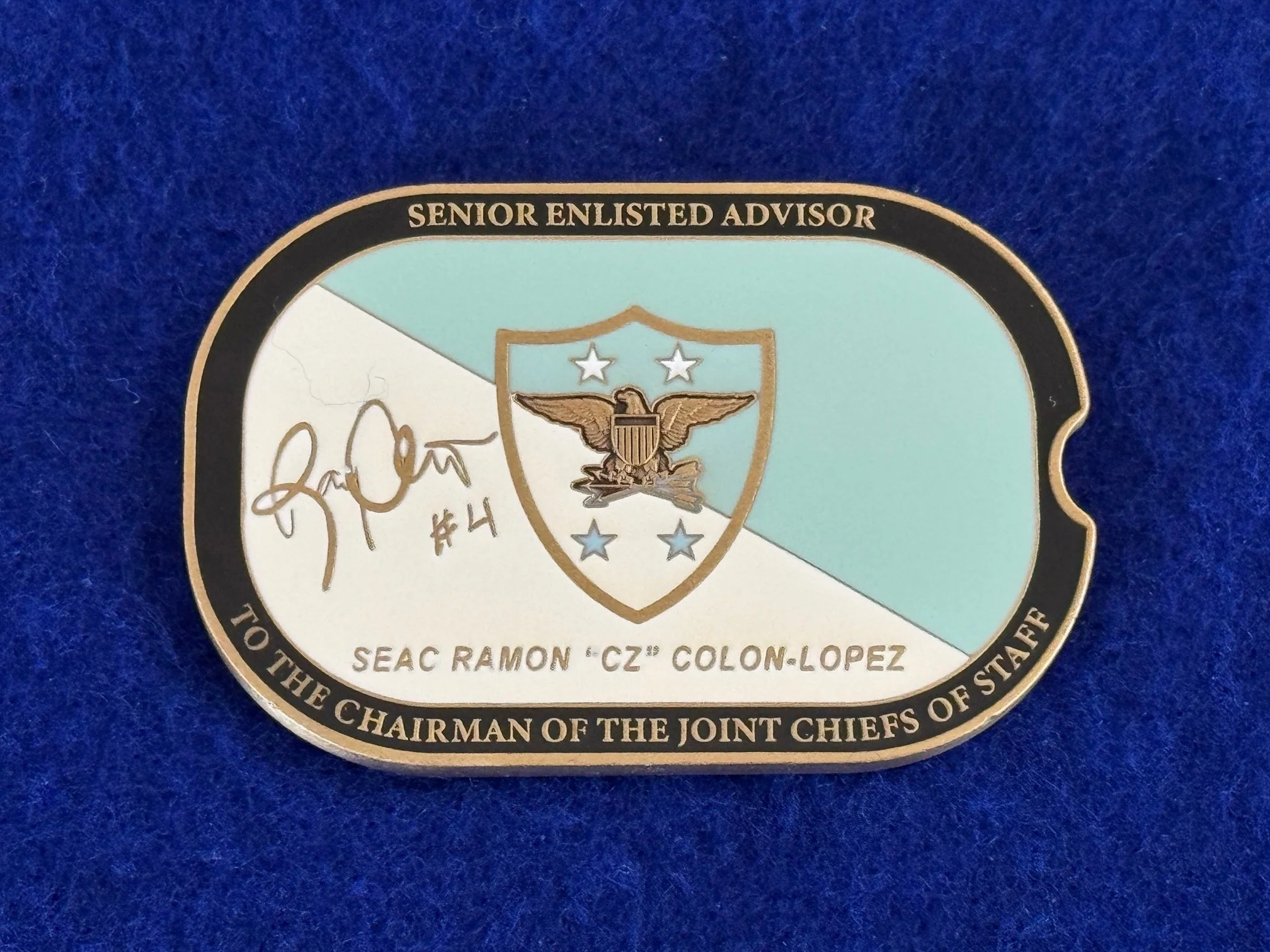
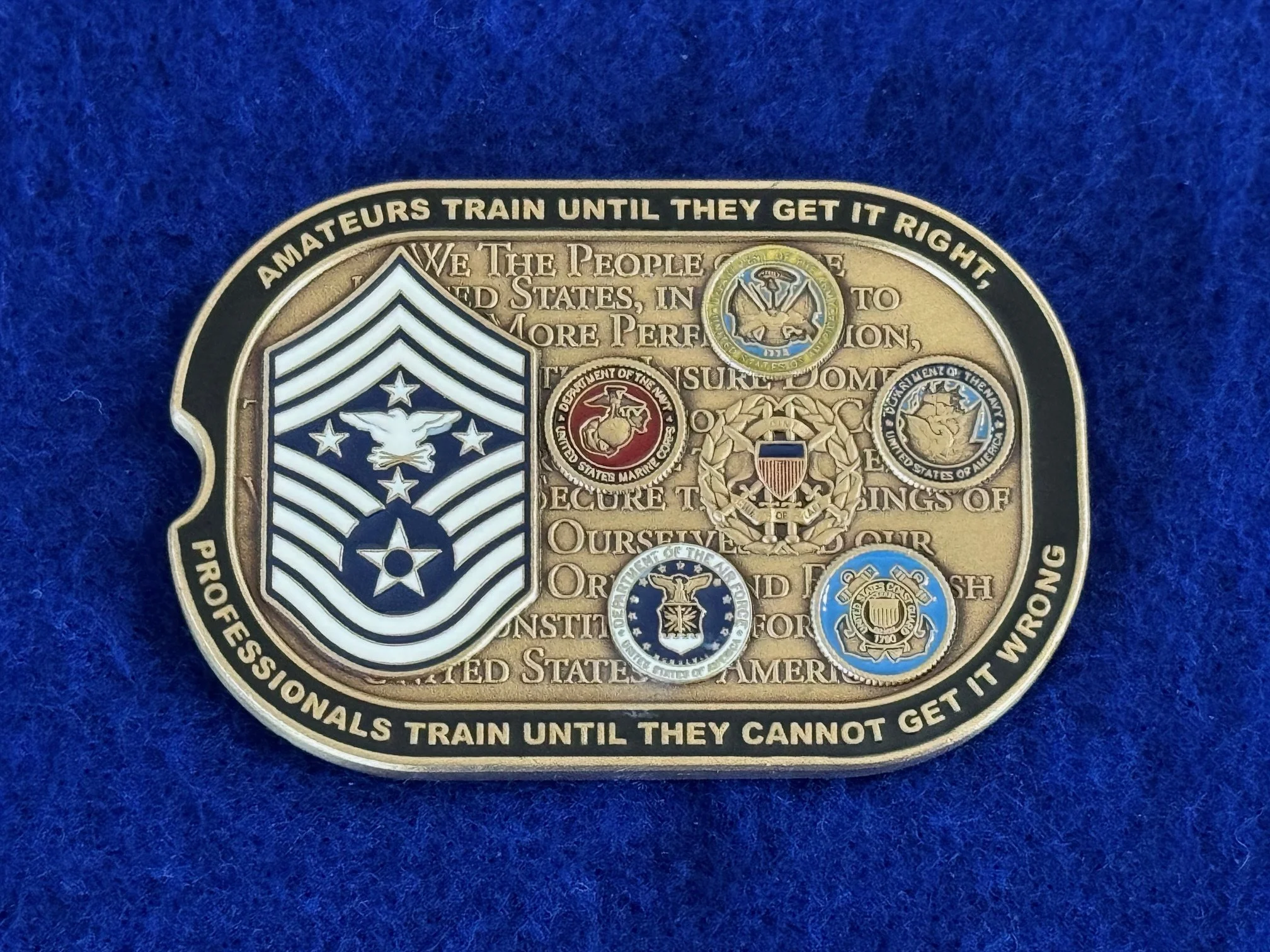
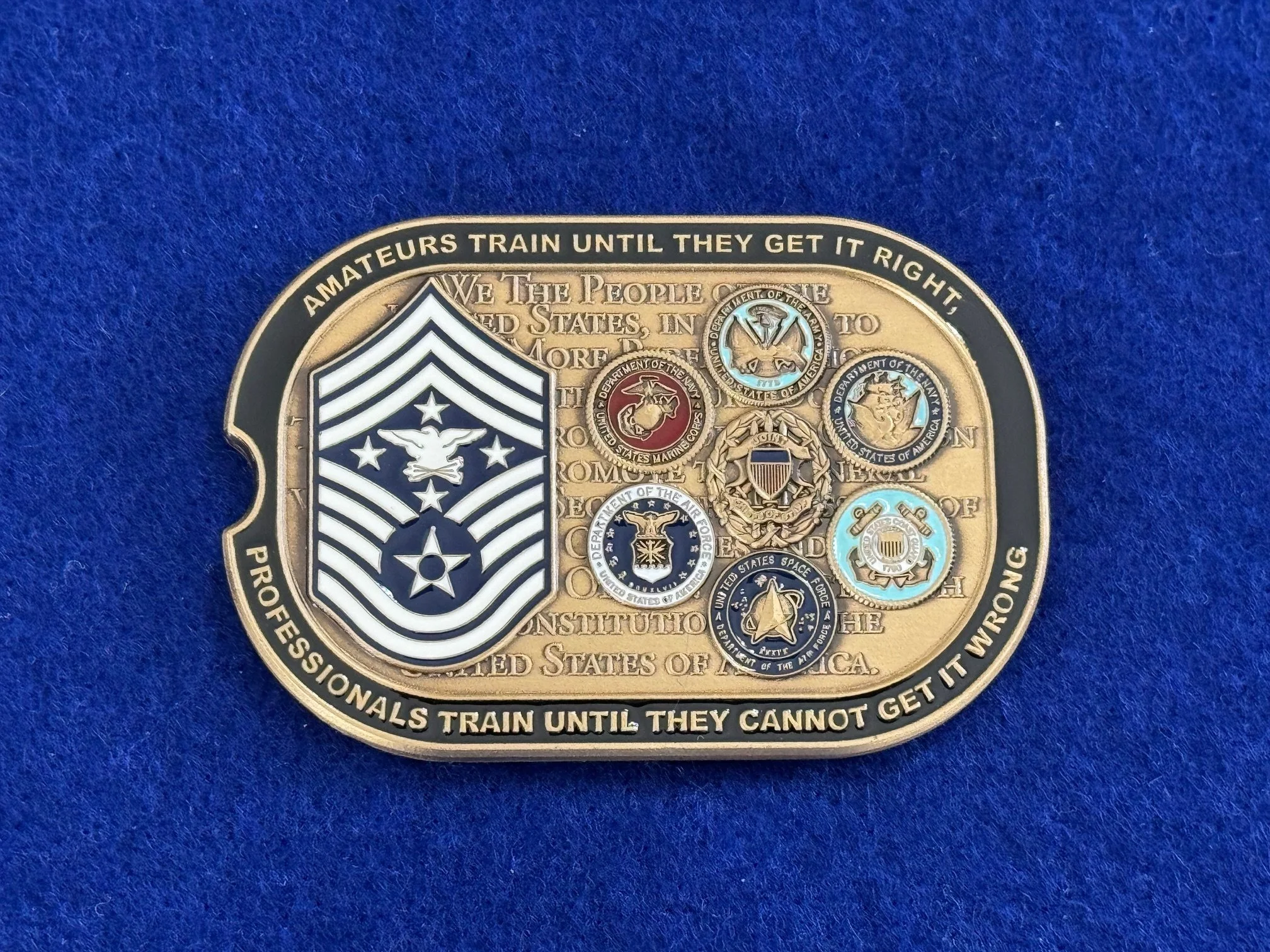
RAMÓN “CZ” COLÓN-LÓPEZ
Chief Master Sergeant Major, U.S. Air Force
4th Senior Enlisted Advisor to the
Chairman of the Joint Chiefs of Staff (SEAC)
December 2019 - November 2023
(2-1/2” W x 1-3/4” H)
(Version 1)
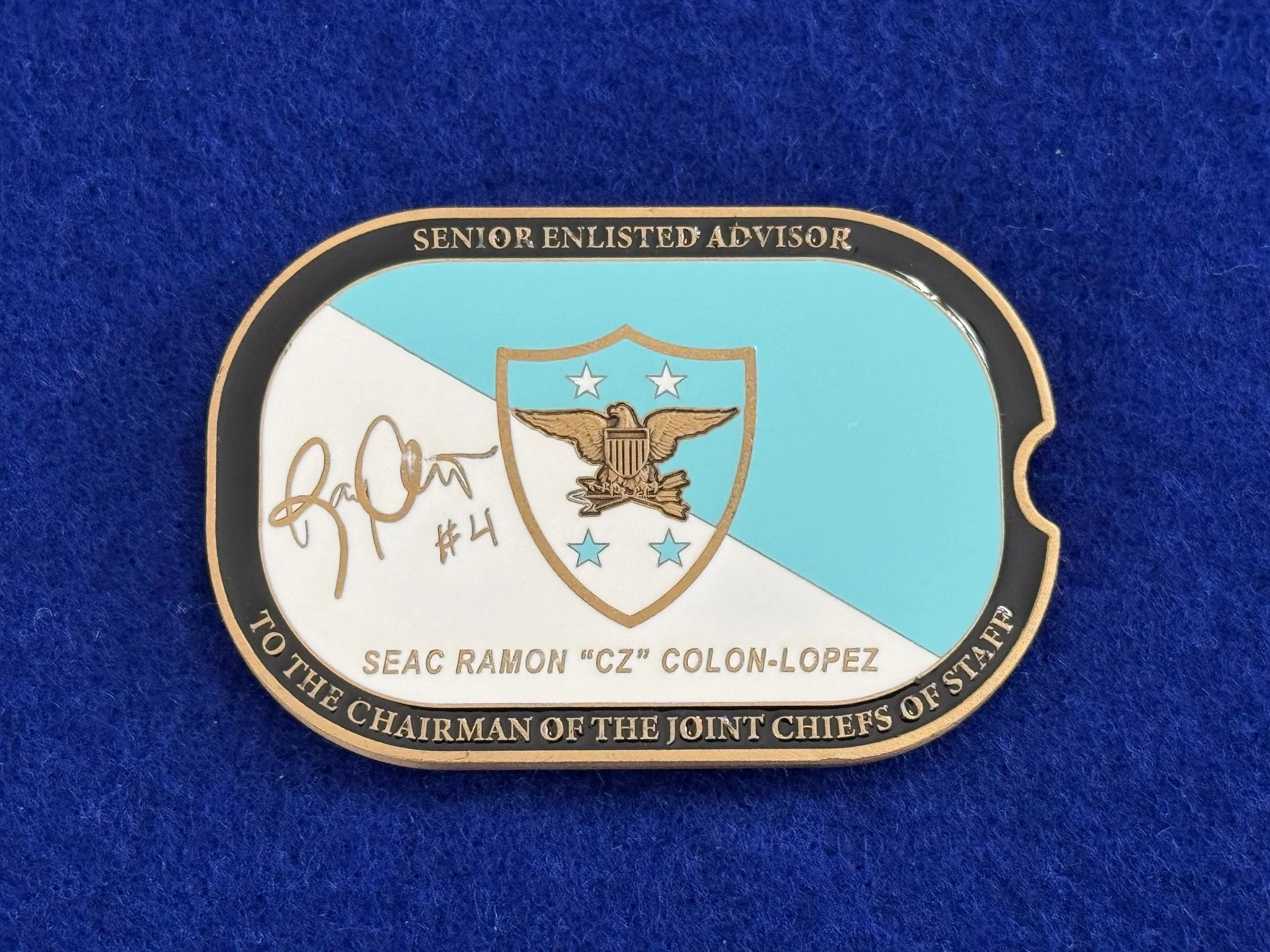
RAMÓN “CZ” COLÓN-LÓPEZ
Chief Master Sergeant Major, U.S. Air Force
4th Senior Enlisted Advisor to the
Chairman of the Joint Chiefs of Staff (SEAC)
December 2019 - November 2023
(2-1/2” W x 1-3/4” H)
(Version 2)
★★★★★★★★★★★★★★★★★★★★★★★★★★★★
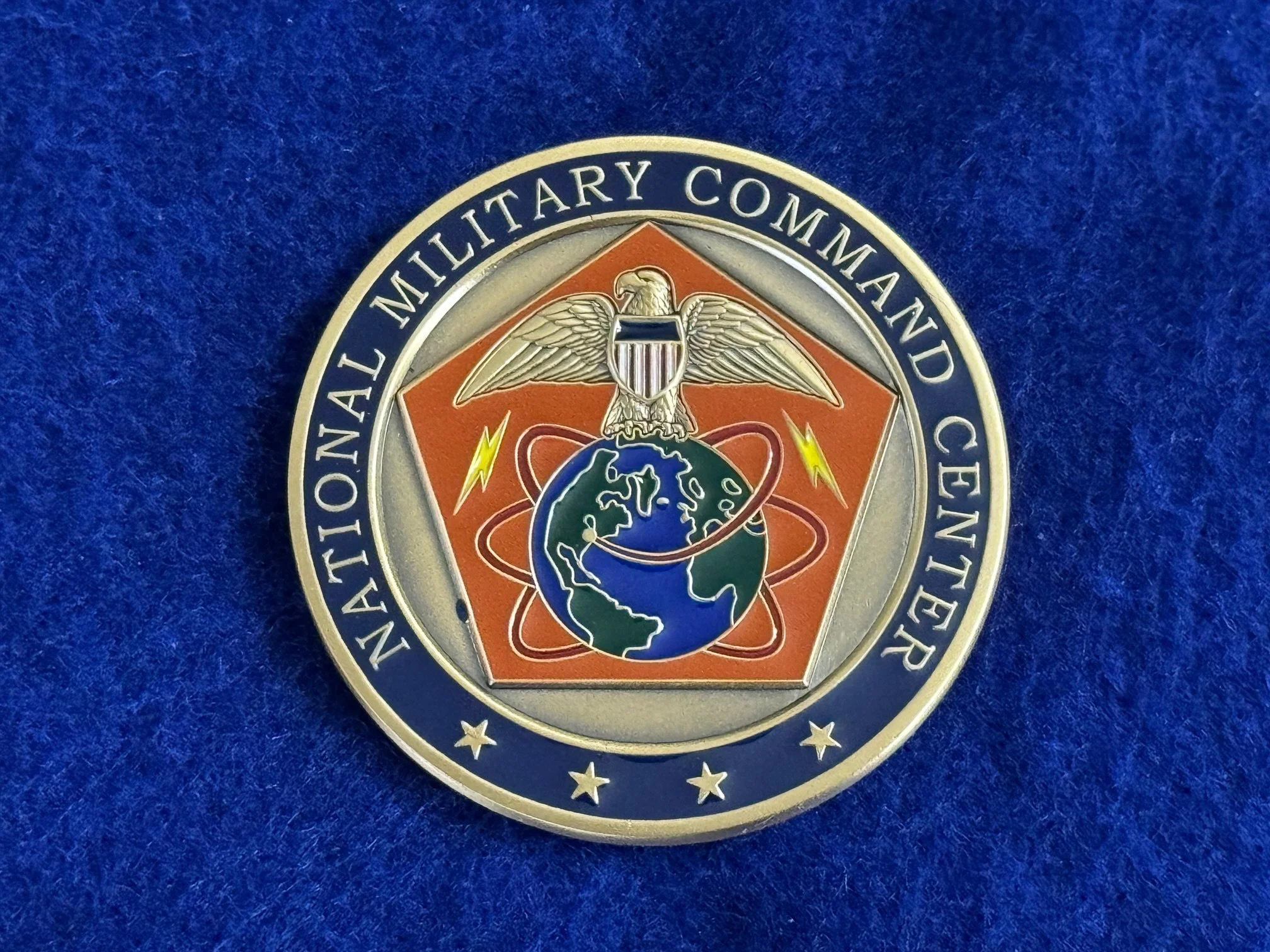
National Military Command Center
(5 Swords)
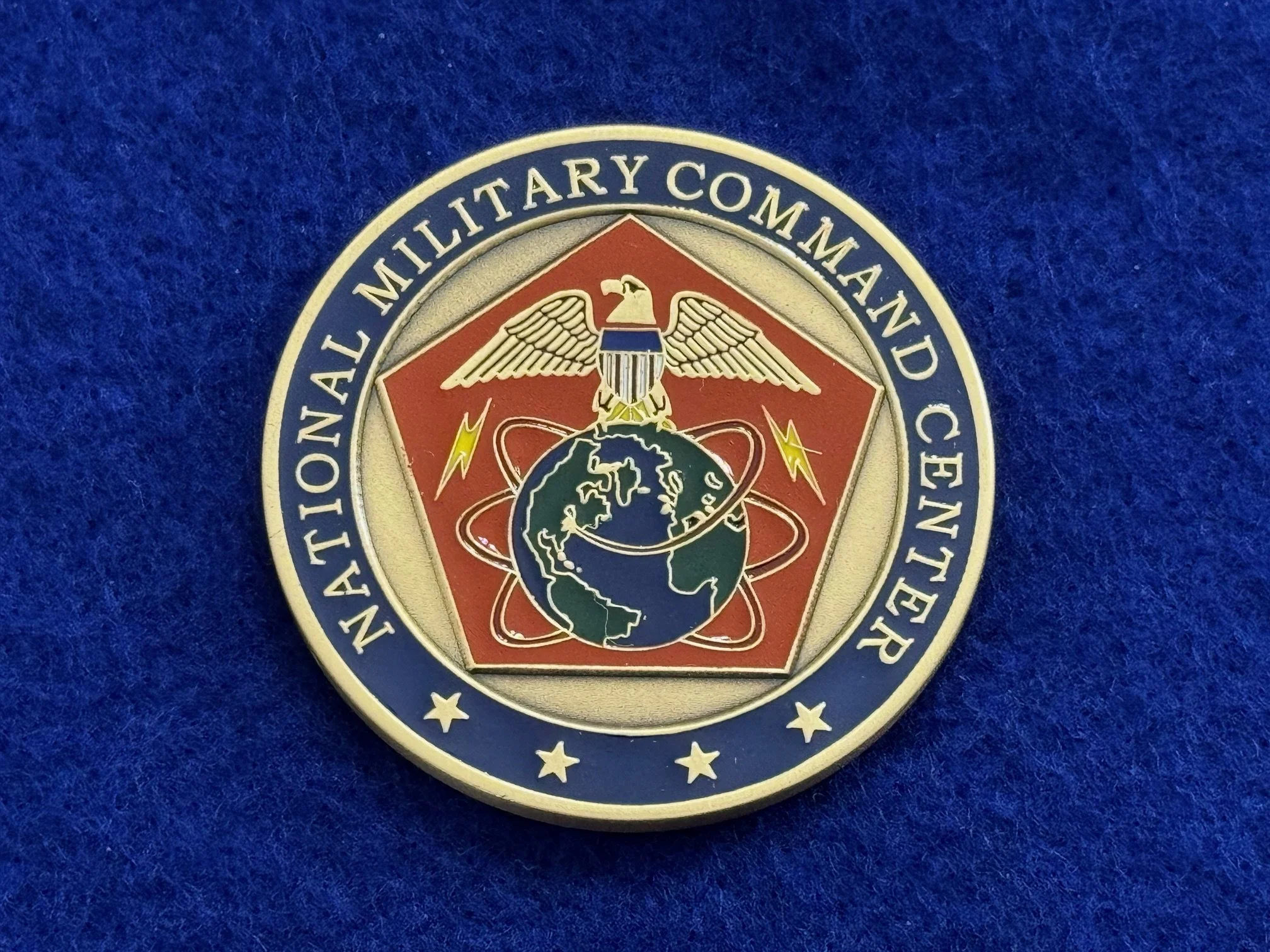
National Military Command Center
(4 Swords)
C4 Systems Directorate J-6
Connecting the Warfighters
(4 Swords)
Force Structure, Resources, and Assessment J-8
Directorate Leaders
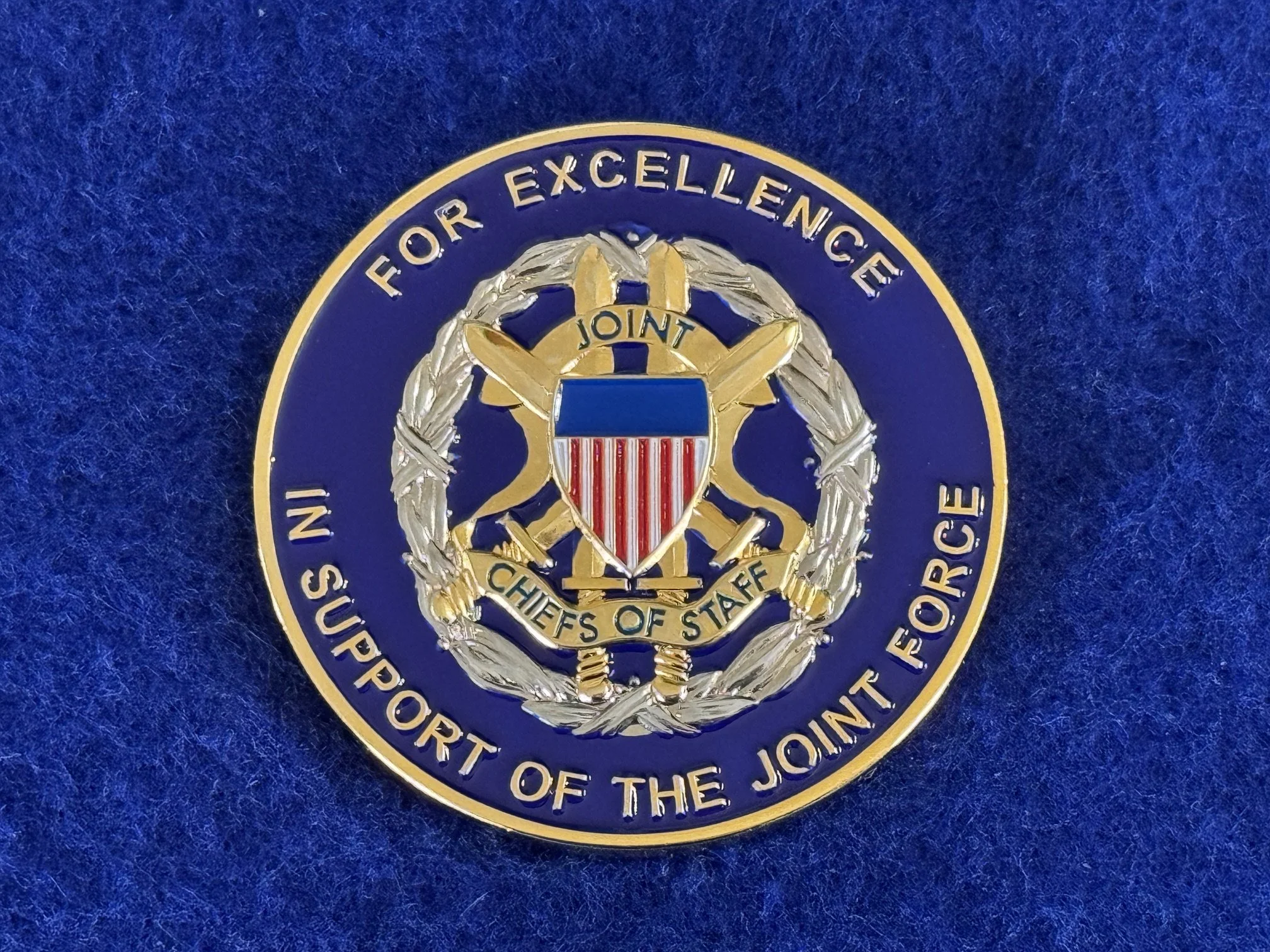
For Excellence in Support of the Joint Force
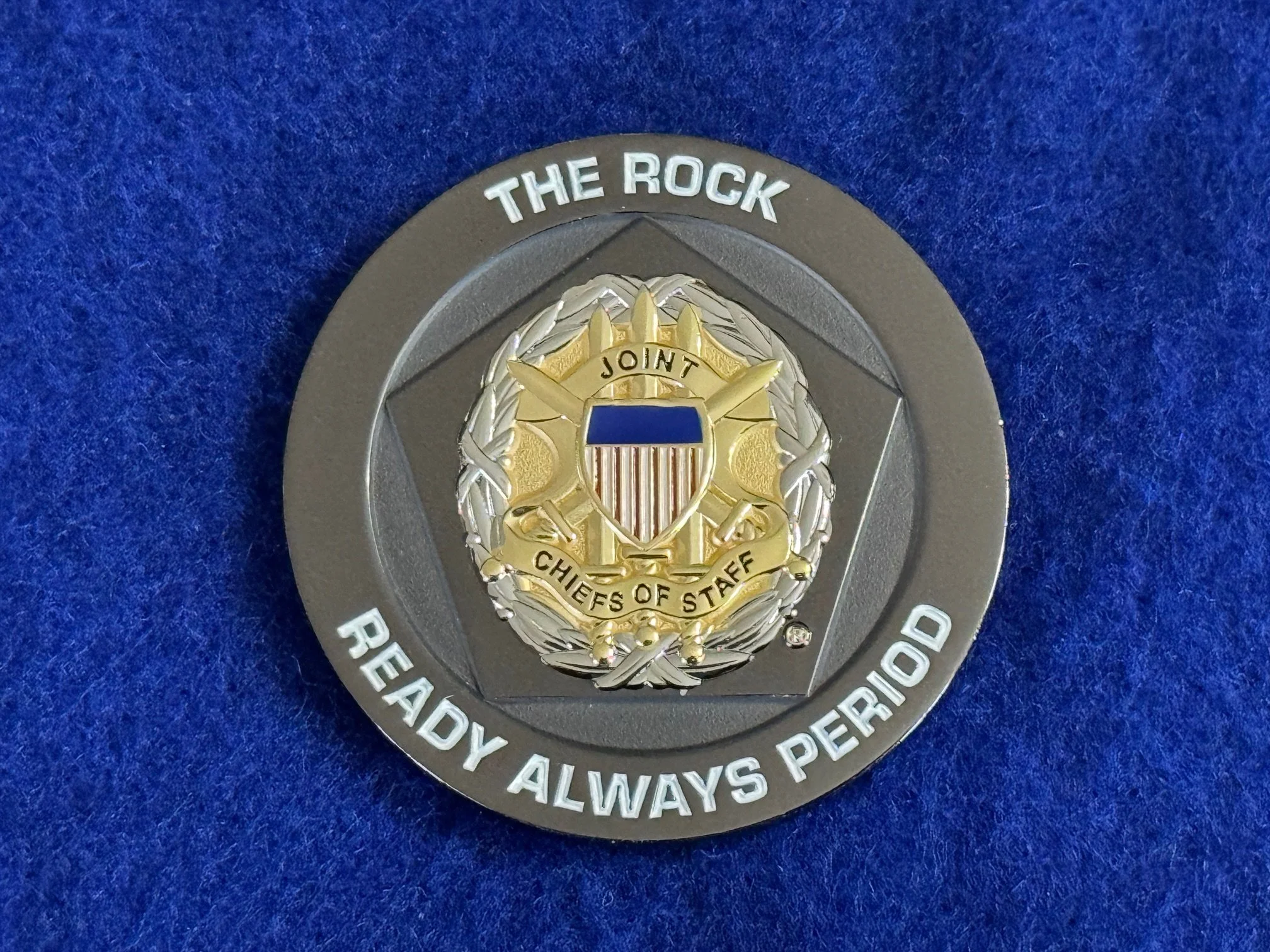
Raven Rock Mountain Complex
Site R / The Rock
Blue Ridge Summit, PA
Ready Always Period